

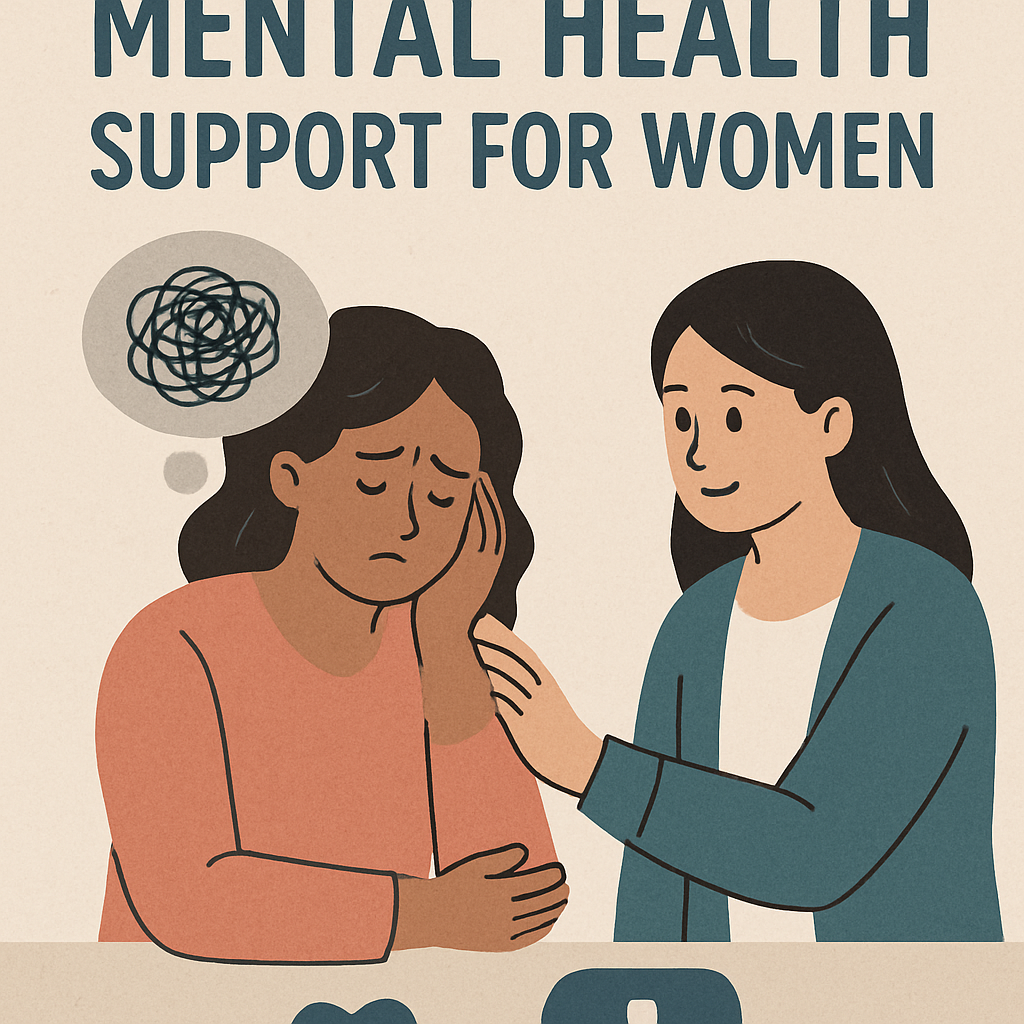
Mental health is a significant aspect of overall well-being, and it’s crucial for women to have access to the resources and support they need. Women’s mental health can be influenced by various factors, including hormonal changes, life stages, and societal pressures. In this article, we will explore the importance of mental health support for women, the types of services available, and how to access these vital resources.
The Importance of Mental Health Support for Women
Mental health is as important as physical health, and for women, it encompasses a wide range of issues. Women may experience mental health challenges differently from men due to biological, social, and cultural factors. Conditions such as depression, anxiety, and eating disorders can affect women differently. Understanding these differences is essential in providing appropriate support.
Unique Challenges Faced by Women
Women often juggle multiple roles, such as being caregivers, professionals, and community members, which can lead to increased stress levels. The pressure to balance these roles can lead to feelings of inadequacy and burnout, impacting mental health significantly. Hormonal changes related to menstruation, pregnancy, postpartum, and menopause can also impact mental health. These biological factors can exacerbate mental health conditions, leading to mood swings and emotional distress. Additionally, societal expectations and gender-based violence can further exacerbate mental health issues. Women who face discrimination or domestic violence are at a higher risk of developing mental health disorders, highlighting the need for tailored support systems.
The Need for Specialized Services
Given these unique challenges, women’s health services must offer specialized mental health resources. These services can provide women with tailored support that considers the complex interplay of biological, psychological, and social factors. Specialized services ensure that women receive care that addresses their specific needs, such as trauma-informed therapy for survivors of abuse. Furthermore, specialized programs can focus on specific life stages, like perinatal mental health support, to offer timely interventions. By acknowledging the diverse experiences of women, mental health services can be more effective and inclusive.
Recognizing the Impact of Intersectionality
Intersectionality plays a crucial role in understanding women’s mental health. Women of different races, sexual orientations, and socioeconomic statuses may face additional mental health challenges. Recognizing these intersecting identities can help tailor mental health resources to be more inclusive and effective. For example, minority women may face cultural stigmas around mental health, requiring culturally sensitive support services. By addressing these intersectional factors, mental health services can better meet the diverse needs of all women.
Types of Mental Health Resources for Women
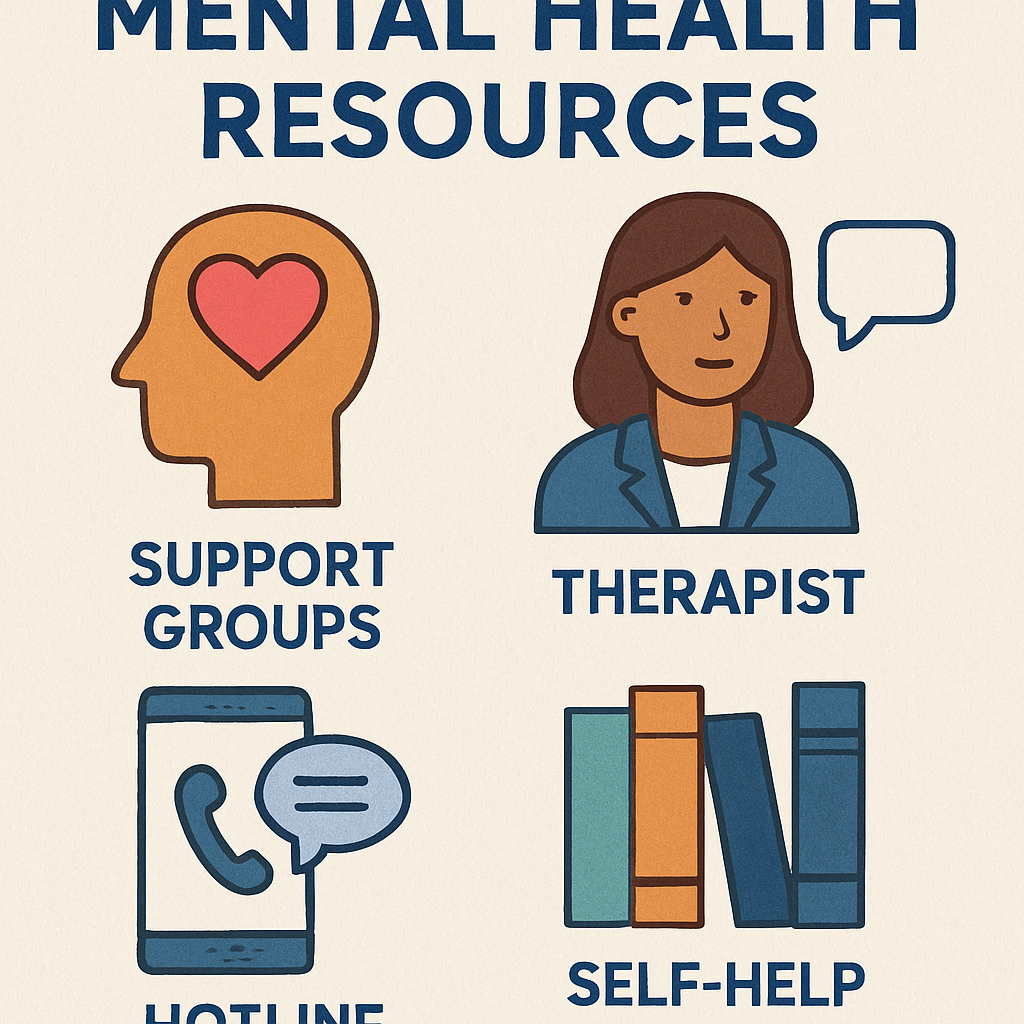
There are various types of mental health resources available for women, ranging from online support groups to in-person therapy. Here are some common resources women can utilize:
Therapy and Counseling
Professional therapy and counseling are fundamental components of mental health support. These services can help women work through personal issues, develop coping strategies, and improve their overall mental well-being. Therapists can provide individual, group, or family therapy, depending on the needs and preferences of the individual. Individual therapy offers personalized support, allowing women to explore their thoughts and feelings in a private setting. Group therapy can be beneficial for building a sense of community and shared understanding among women facing similar issues. Family therapy involves loved ones in the healing process, helping to address relationship dynamics that may impact mental health.
Support Groups
Support groups offer a safe space for women to share their experiences and connect with others facing similar challenges. These groups can be particularly beneficial for those dealing with specific issues, such as postpartum depression or domestic violence. Support groups can be found both online and in-person, providing flexibility for women with different needs. Online support groups offer anonymity and convenience, making it easier for women to seek help without fear of stigma. In-person groups provide face-to-face interaction, fostering a sense of community and support. Many support groups are facilitated by trained professionals, ensuring that the discussions remain focused and beneficial.
Helplines and Hotlines
Helplines and hotlines offer immediate support and guidance for women in crisis. These services are typically available 24/7 and can connect individuals with trained professionals who can provide advice and referrals to appropriate resources. For women experiencing acute mental health issues, helplines can be a lifeline. Helplines offer confidentiality, allowing women to seek help without revealing their identity. Many hotlines are staffed by volunteers who are trained to handle a wide range of mental health issues. These services can provide immediate support and help women find long-term solutions to their mental health challenges.
Online Resources and Apps
The internet offers a wealth of information and tools for managing mental health. Websites and apps can provide educational materials, self-help tools, and connections to mental health professionals. These resources can be especially useful for women who may not have easy access to in-person services. Online platforms offer flexibility, allowing women to access support at their own pace and from the comfort of their own homes. Many mental health apps offer features such as mood tracking, meditation guides, and virtual therapy sessions. By leveraging technology, women can find innovative ways to manage their mental health effectively.
Community-Based Programs
Community-based programs provide localized support for women, often addressing specific needs within a community. These programs may offer workshops, support groups, or educational sessions to promote mental well-being. Community programs can be particularly effective in reaching underserved populations who may not have access to traditional mental health services. By partnering with local organizations, these programs can provide culturally relevant support that resonates with the community. Engaging with community-based programs can help women build local support networks and access resources tailored to their needs.
How to Access Women’s Health Services
Accessing mental health resources for women can be straightforward once you know where to look. Here are some steps to help you find the support you need:
Start with Your Healthcare Provider
Your healthcare provider can be a valuable resource for mental health support. They can conduct initial assessments, provide referrals to specialists, and recommend appropriate treatment options. Don’t hesitate to discuss any mental health concerns with your provider. Building a trusting relationship with your healthcare provider can facilitate open discussions about mental health. Providers can also guide you in navigating insurance coverage and accessing affordable mental health services. Regular check-ups with your healthcare provider can help monitor your mental health and make necessary adjustments to your care plan.
Explore Local Resources
Local community centers, hospitals, and clinics often offer mental health services specifically for women. These facilities may provide therapy, support groups, and educational workshops. Contacting these organizations can help you learn more about the services available in your area. Many local resources offer sliding scale fees, making mental health services more accessible to those with financial constraints. Attending community events can also help you connect with others and build a support network. Local libraries and schools may also offer programs that promote mental well-being and provide valuable information.
Utilize National Resources
National organizations, such as the National Women’s Health Network and the National Alliance on Mental Illness, offer resources and support for women’s mental health. These organizations often have websites with directories of services and can provide information on how to access care. National resources can offer guidance on navigating complex healthcare systems and finding specialized services. Many organizations also advocate for mental health policies that benefit women, contributing to broader societal change. By connecting with national organizations, women can access a wealth of information and support.
Consider Online Options
For those who prefer remote support, online therapy platforms and support groups can be an excellent option. Many services offer virtual therapy sessions, which can be more convenient and accessible for women with busy schedules or mobility issues. Online platforms often provide a range of therapeutic approaches, allowing women to choose the method that best suits their needs. Virtual support groups can connect women with others facing similar challenges, fostering a sense of community even from a distance. By exploring online options, women can find flexible and effective ways to manage their mental health.
Engage with Community Initiatives
Community initiatives can provide additional support and resources for women’s mental health. These initiatives may include mental health awareness campaigns, workshops, and support groups focused on specific issues. Engaging with community initiatives can help women access a broader range of resources and connect with others who share similar experiences. Many initiatives are led by passionate individuals and organizations committed to improving mental health outcomes. By participating in community efforts, women can contribute to a culture of support and understanding.
Promoting Mental Health Awareness

Raising awareness about women’s mental health is crucial for reducing stigma and encouraging more women to seek help. Here are some ways to promote mental health awareness in your community:
Educate Yourself and Others
Learning about mental health issues and sharing this knowledge with others can help reduce stigma and promote understanding. Consider attending workshops, reading books, or participating in webinars to expand your knowledge. Educating yourself can empower you to support others and advocate for mental health awareness. By sharing information, you can challenge misconceptions and encourage open discussions about mental health. Engaging with educational resources can also help you stay informed about the latest developments in mental health research and treatment.
Support Mental Health Initiatives
Participate in or support initiatives that focus on mental health awareness. This could include attending events, donating to mental health charities, or volunteering with organizations that support women’s mental health. Supporting initiatives can amplify efforts to raise awareness and improve mental health resources. By getting involved, you can contribute to meaningful change in your community and beyond. Many initiatives rely on community support to succeed, making your involvement crucial to their impact.
Encourage Open Conversations
Create an environment where open discussions about mental health are encouraged. By talking openly about mental health, you can help normalize these conversations and make it easier for others to seek support. Encouraging open conversations can break down barriers and reduce the stigma surrounding mental health. By listening and sharing your own experiences, you can foster a culture of empathy and support. Creating safe spaces for dialogue can empower others to speak up and seek help when needed.
Advocate for Policy Change
Advocating for policy change can lead to systemic improvements in mental health support for women. Engage with policymakers to promote legislation that addresses mental health disparities and increases funding for women’s health services. By advocating for change, you can contribute to creating a more equitable healthcare system. Collaborating with advocacy groups can amplify your voice and increase the impact of your efforts. Policy changes can lead to long-term benefits for women, ensuring that mental health resources are accessible and effective.
Leverage Social Media
Social media platforms can be powerful tools for raising awareness and promoting mental health initiatives. Use your online presence to share resources, stories, and information about mental health support for women. Social media can reach a broad audience, spreading awareness and encouraging more women to seek help. By engaging with online communities, you can connect with others who are passionate about mental health advocacy. Utilizing social media can also provide a platform for sharing personal experiences and fostering a sense of community.
Conclusion
Mental health resources for women are essential for promoting overall well-being and addressing the unique challenges women face. By understanding the types of support available and how to access these services, women can take proactive steps toward improving their mental health. Remember, seeking help is a sign of strength, and there are many resources available to support women on their journey to better mental health. By leveraging available resources and fostering a culture of awareness, we can create a supportive environment where women feel empowered to prioritize their mental well-being.
