
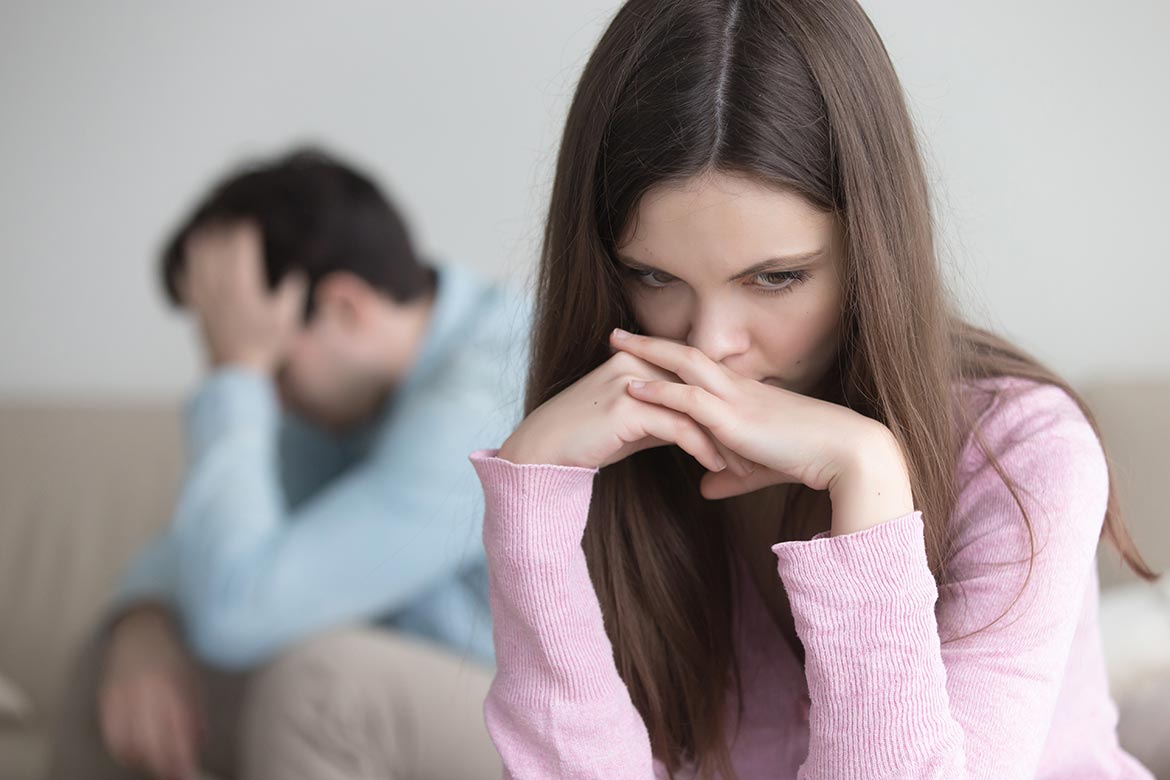

Anxiety is a common experience in relationships. Many people encounter moments of uncertainty and occasional anxiety when it comes to the future of their partnerships. However, when anxiety becomes persistent, it can significantly impact the dynamics of a relationship. In this article, we will explore the causes of relationship anxiety, how it manifests, and effective strategies for managing it.
What is Relationship Anxiety?
Relationship anxiety refers to the feelings of worry, insecurity, and doubt that can arise in romantic relationships. It often involves excessive concern over the health of the relationship, fear of rejection, or doubts about a partner’s feelings.
Defining Relationship Anxiety
Understanding relationship anxiety begins with defining it. It is a specific type of anxiety that focuses on personal relationships. Unlike general anxiety, which might be about various life events, relationship anxiety is centered around romantic connections.
Emotional Components
The emotional components of relationship anxiety often include fear, insecurity, and doubt. These feelings can lead to a constant state of worry about the relationship’s status and future. This anxiety can be deeply rooted in personal experiences and emotional history, affecting how individuals perceive their partner’s actions and intentions.
Cognitive Aspects
On a cognitive level, relationship anxiety involves persistent negative thoughts about the relationship. These can include doubts about a partner’s loyalty or fears of an impending breakup. Such thoughts can create a cycle of worry that is difficult to break without intervention.
Causes of Relationship Anxiety
Relationship anxiety can stem from various factors, each contributing differently depending on an individual’s experiences and personality.
Past Experiences
Past experiences, particularly those involving negative or traumatic relationships, can have a lasting impact. If someone has been hurt before, they may carry that fear into new relationships. This can manifest as anxiety, as they may fear a repeat of past heartbreaks or betrayals.
Low Self-Esteem
Low self-esteem is another significant contributor to relationship anxiety. When individuals doubt their self-worth, they may question whether they are deserving of love or whether their partner truly values them. This can lead to a heightened sensitivity to perceived slights or rejections.
Attachment Style
Attachment styles, developed in childhood, play a critical role in adult relationships. An anxious attachment style, characterized by a fear of abandonment and a need for constant reassurance, can predispose someone to relationship anxiety. Understanding one’s attachment style can be a crucial step in managing anxiety.
External Stressors
External stressors such as financial difficulties, work-related pressures, or family issues can exacerbate relationship anxiety. These stressors can create additional tension, making it more challenging to maintain a sense of security in the relationship.
Communication Issues
Communication issues are a common cause of relationship anxiety. When partners struggle to communicate openly and honestly, misunderstandings can arise. These misunderstandings can fuel anxiety, as individuals may feel unsure about their partner’s feelings or intentions.
How Relationship Anxiety Manifests
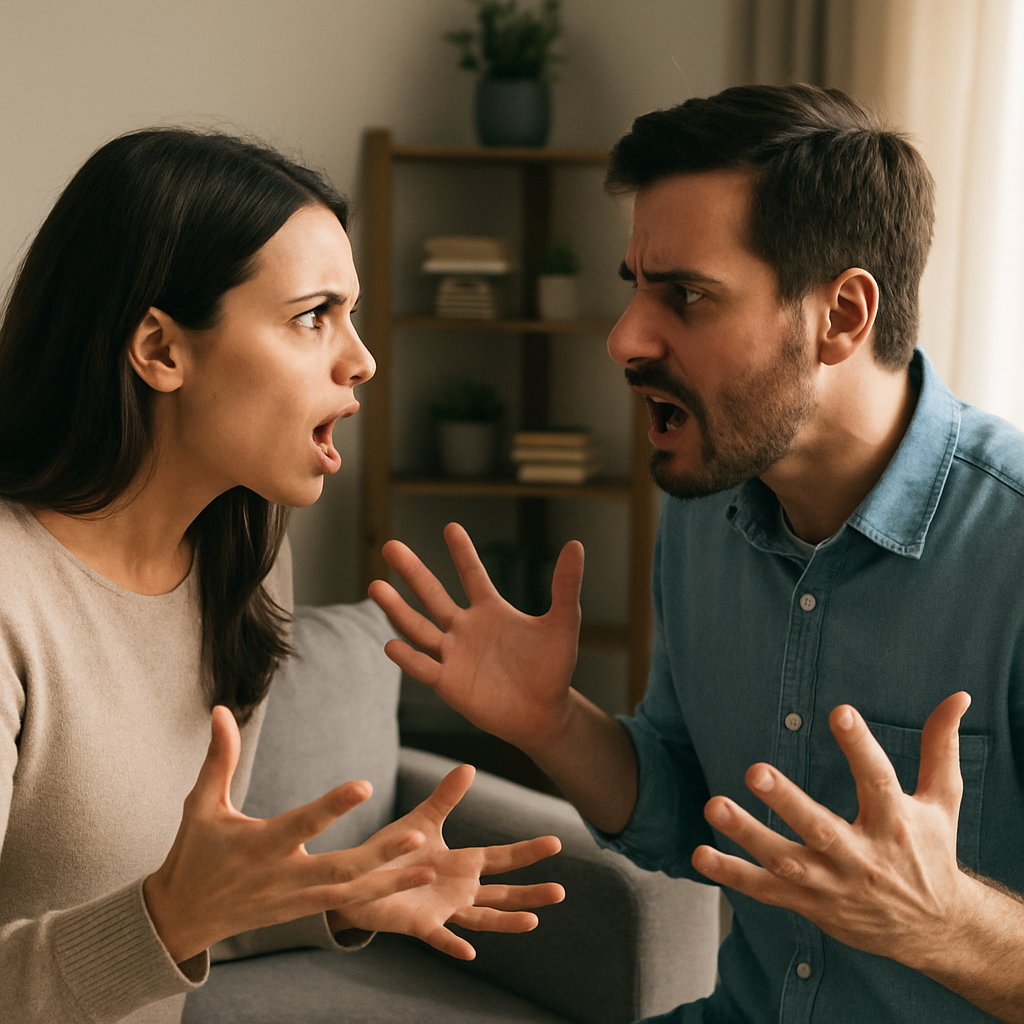
Relationship anxiety can manifest in various ways, and recognizing these signs is the first step toward managing it. Common manifestations include:
Overthinking
Overthinking is a hallmark of relationship anxiety. Individuals may constantly analyze their partner’s words and actions, searching for hidden meanings or signs of trouble. This can lead to a state of hyper-vigilance, where every interaction is scrutinized.
Need for Reassurance
A frequent need for reassurance is another common manifestation. Individuals with relationship anxiety may continually seek validation from their partner, asking for confirmation of their love or commitment. This can become exhausting for both partners and strain the relationship.
Avoidance
Avoidance behaviors can also occur, where individuals steer clear of serious conversations or commitment due to fear of potential outcomes. This avoidance can prevent the relationship from progressing and may create a distance between partners.
Clinginess
Clinginess, or becoming overly dependent on a partner for emotional support and validation, can also be a symptom of relationship anxiety. This behavior can create an imbalance in the relationship, as one partner may feel suffocated by the other’s neediness.
Jealousy
Jealousy, particularly irrational jealousy, is another way relationship anxiety can manifest. Individuals may feel suspicious of their partner’s interactions with others, fearing infidelity or betrayal. This can lead to conflicts and a lack of trust in the relationship.
Strategies for Managing Relationship Anxiety
Managing relationship anxiety requires a multi-faceted approach, focusing on communication, self-awareness, and external support.
Open Communication
Effective communication is vital for addressing relationship anxiety. Sharing your concerns and feelings with your partner can help build understanding and trust. When discussing your anxiety:
- Use “I” statements to express your feelings without blaming your partner.
- Be honest about your fears and insecurities.
- Encourage your partner to share their thoughts and feelings as well.
Building Self-Esteem
Improving your self-esteem can reduce anxiety by reinforcing your sense of worth. Consider the following strategies:
- Engage in activities that make you feel competent and accomplished.
- Practice self-compassion and challenge negative self-talk.
- Surround yourself with supportive friends and family.
Setting Boundaries
Establishing healthy boundaries can help manage anxiety by creating a sense of security and predictability. Discuss and agree on boundaries with your partner to ensure both parties feel comfortable and respected.
Seeking Professional Help
If relationship anxiety becomes overwhelming, seeking the guidance of a therapist or counselor can be beneficial. Therapy can provide a safe space to explore your feelings, identify underlying issues, and develop coping strategies.
Practicing Mindfulness
Mindfulness techniques can help reduce anxiety by keeping you grounded in the present moment. Consider incorporating mindfulness practices such as:
- Meditation: Regular meditation can help calm the mind and reduce stress.
- Deep Breathing: Practicing deep breathing exercises can alleviate immediate anxiety symptoms.
- Journaling: Writing down your thoughts and feelings can help process emotions and gain perspective.
Engaging in Self-Reflection
Self-reflection is a critical component of managing relationship anxiety. By taking time to reflect on your thoughts and behaviors, you can gain insight into the root causes of your anxiety. This can involve keeping a journal, meditating, or simply setting aside time each day to think deeply about your feelings.
Establishing Personal Goals
Setting personal goals outside of the relationship can also help manage anxiety. By focusing on personal growth and achievements, you can build self-esteem and reduce reliance on your partner for validation. This can create a healthier dynamic in the relationship.
Encouraging Mutual Support
Encouraging mutual support within the relationship can also be beneficial. Both partners should be willing to support each other’s growth and address each other’s concerns. This mutual support can strengthen the relationship and reduce anxiety.
The Role of Partners in Managing Anxiety

Partners play a crucial role in managing relationship anxiety. Here’s how they can support:
Show Understanding and Empathy
Being empathetic and understanding can help alleviate anxiety. Acknowledge your partner’s feelings without judgment and offer reassurance when needed.
Encourage Open Dialogue
Foster an environment where open dialogue is encouraged. This helps build trust and allows both partners to express their concerns freely.
Be Patient
Change takes time, and managing anxiety is a gradual process. Be patient with your partner as they work through their feelings and develop healthier coping mechanisms.
Participate in Joint Activities
Engaging in activities together can strengthen your bond and reduce anxiety. Choose activities that both partners enjoy and that promote relaxation and connection.
Foster a Supportive Environment
Creating a supportive environment is essential for managing relationship anxiety. Encourage your partner to pursue their interests and provide emotional support as needed. A supportive atmosphere can reduce stress and promote healthier interactions.
Celebrate Progress
Celebrating progress, no matter how small, can be incredibly encouraging for someone dealing with anxiety. Acknowledging and appreciating positive changes can boost morale and reinforce the effort being made to manage anxiety.
Maintain Consistent Communication
Consistency in communication helps in reducing misunderstandings and building a secure relationship. Regularly checking in with each other about feelings and concerns can prevent anxiety from escalating.
Conclusion
Relationship anxiety is a common experience, but it doesn’t have to define your relationship. By understanding its causes and manifestations, and implementing effective management strategies, you can work towards a healthier, more fulfilling partnership. Remember, open communication, self-awareness, and mutual support are key components in overcoming relationship anxiety. With time and effort, you and your partner can build a resilient relationship that thrives despite challenges.
