
When you picture a heart attack, what do you see? For most of us, it’s a scene from a movie: a man gasping, clutching his chest. But for women, the reality can be dangerously different, with a heart attack feeling more like a stubborn flu or severe indigestion. Recognizing these quieter, atypical heart attack symptoms in females isn’t just interesting—it could save your life.
These subtle signals often happen because the heart’s distress can show up in unexpected places, a concept known as referred pain. Instead of a crushing chest sensation, you might feel a sharp pain in your jaw or an ache between your shoulder blades. Perhaps the most misleading of these early warning signs of heart problems in women is a profound sense of fatigue that comes on without warning.
This isn’t just feeling rundown after a long week. Doctors describe this as a deep, flu-like exhaustion that makes simple tasks feel impossible. For Sarah, a 55-year-old teacher, it started as a weariness she couldn’t shake, even after a full night’s sleep. This unique combination of fatigue and shortness of breath in females is one of the most commonly dismissed signs of a heart in trouble.
Because these symptoms can seem unrelated, it’s crucial to know what to look for. Pay close attention if you experience any of the following, especially if they are new, unexplained, and occur without any chest discomfort:
- Profound, sudden fatigue
- Shortness of breath
- Pain in the back, neck, jaw, or arms
- Nausea or indigestion-like pain
- Dizziness or lightheadedness
What “Heart Attack Chest Pain” Actually Feels Like for a Woman
Forget the dramatic, movie-style heart attack where someone clutches their left arm in agony. For many women, heart-related chest pain is far more subtle. Instead of a sharp, stabbing sensation, it often feels like uncomfortable pressure, squeezing, or a sense of fullness in the center of the chest. Some women have described it as a heavy weight or a rope being tightened around their torso.
This discomfort isn’t always constant, either. It might last for a few minutes, fade away, and then return, which can be confusing and easy to dismiss. Furthermore, while the pain can be on the left side, it’s just as likely to be in the center of the chest or even have no specific locati0n at all—just a general, persistent ache.
The most important takeaway is to trust your body. Any new, unexplained feeling of pressure, aching, or squeezing in your chest—no matter if it comes and goes—is a signal worth listening to. Because these sensations can mimic other common ailments, it’s crucial to understand how to tell the difference. So, is it simply heartburn, or could it be your heart?
Is It Heartburn or a Heart Attack? How to Tell the Difference
That familiar burning sensation rising in your chest after a big meal is often just what you think it is: heartburn. But because the locati0n is the same, it’s one of the most common sources of confusion when it comes to heart health. Knowing a few key differences can help you make a quick, initial assessment.
One of the biggest clues is how the pain responds. Heartburn often creates a sharp, burning feeling that travels from your stomach toward your throat. It tends to worsen when you lie down or bend over and usually improves if you take an antacid. In contrast, the pressure or squeezing of a heart attack typically isn’t affected by changing your position and will not be relieved by digestive aids.
Beyond the chest discomfort itself, pay close attention to any other symptoms that appear alongside it. While severe heartburn is uncomfortable, it rarely brings other issues along for the ride. A heart attack, however, is frequently accompanied by other telltale signs like breaking out in a cold sweat, sudden nausea, overwhelming fatigue, or shortness of breath. These additional symptoms are a major red flag that something more serious is happening.
Here’s a quick guide to help tell them apart:
- Heartburn: A burning feeling, often worse when lying down, that usually gets better with antacids.
- Heart Attack: A feeling of pressure or squeezing, often paired with sweating, nausea, or shortness of breath.
Of course, symptoms can be tricky, and sometimes they overlap not just with indigestion, but also with another common experience: anxiety.
Anxiety Chest Pain vs. a Heart Attack: Unraveling the Fear
That sudden, terrifying stab of pain in your chest during a stressful moment can send your mind racing. This is a hallmark of anxiety-related chest pain, which often feels sharp, fleeting, and localized to a specific spot. You might be able to point to exactly where it hurts. It can be intensely scary, but it frequently subsides once you begin to calm down.
In contrast, the chest discomfort from a heart attack is usually described differently. Instead of a sharp stab, women often report a feeling of uncomfortable pressure, squeezing, or fullness in the center of the chest. This sensation is typically more persistent and may be accompanied by pain that radiates to the jaw, neck, back, or arms.
Here’s where it gets complicated: a genuine heart attack can trigger a wave of intense fear and panic. Your body’s emergency response system goes into overdrive, meaning you can experience the symptoms of a heart attack and a panic attack at the same time. The sense of impending doom, a classic sign of panic, is also commonly reported by women during a cardiac event.
Because of this tricky overlap, the most important rule is to prioritize safety. If you have chest pain and other symptoms like shortness of breath, nausea, or sweating—or if you have risk factors for heart disease—don’t try to diagnose yourself. Call 911 immediately. It’s far better to have a false alarm than to delay life-saving treatment. Understanding these confusing symptoms raises an important question: why are they so different for women in the first place?
Why Are Symptoms So Different in Women? A Simple Explanation
To understand why are heart attack symptoms different in women, it helps to think beyond the heart’s main arteries. While the “classic” heart attack often involves a blockage in one of these major blood vessels—like a sudden shutdown on a superhighway—many women experience problems differently. Female heart disease frequently involves the vast network of smaller vessels that feed the heart muscle. When these tiny arteries are diseased, a condition known as coronary microvascular disease, the symptoms are often more subtle and widespread.
It’s not just where the blockages happen, but also how. The typical movie heart attack is caused by a sudden, explosive rupture of plaque that completely stops blood flow. In many women, however, the plaque is more likely to erode. Think of it less like a dam bursting and more like a riverbank slowly wearing away. This gradual erosion can cause smaller clots and intermittent symptoms that are easier to dismiss, such as unusual fatigue or shortness of breath that comes and goes.
The result of these differences is a set of warning signs that are less about sudden, crushing pain and more about a confusing cluster of symptoms. The most critical takeaway is that these “atypical” symptoms are just as life-threatening. Recognizing that your body may send different signals is the first step toward understanding the health factors that uniquely affect you.
Your “Female-Specific” Risk Factors: Menopause, Pregnancy, and Beyond
Beyond familiar risks like high cholesterol, a woman’s life stages play a huge role in her long-term heart health. For decades, the hormone estrogen acts as a natural guardian for your heart, helping keep blood vessels flexible and healthy. As you enter menopause, however, estrogen levels decline and this protection fades. This hormonal shift is one of the primary reasons your risk for cardiovascular disease in females rises significantly after your 50s.
Pregnancy history offers powerful clues, too. You can think of pregnancy as a nine-month “stress test” for your cardiovascular system. Developing conditions like preeclampsia (high blood pressure during pregnancy) or gestational diabetes reveals a higher underlying risk. These complications don’t just vanish after delivery; the American Heart Association confirms they are strong early warnings that signal a greater chance of developing heart disease later in life.
Furthermore, certain health conditions that are more common in women also elevate risk. Polycystic Ovary Syndrome (PCOS), for instance, is not just a reproductive issue but a metabolic one that often involves factors like high blood pressure and insulin resistance, which directly impact heart health. Likewise, autoimmune diseases like lupus—which are far more prevalent in women—can increase heart disease risk because of the body-wide inflammation they cause.
Understanding these female-specific risk factors isn’t about causing alarm—it’s about empowerment. Knowing that your menopausal transition or a past pregnancy complication puts you at higher risk gives you a critical head start. It provides you and your doctor with essential information for creating a proactive health plan. But it’s crucial to remember that risk doesn’t only begin after 50.

Heart Disease in Your 40s (and Younger): The Threat You Can’t Ignore
While risks from menopause take center stage later in life, a different and equally serious threat is emerging for women in their 30s and 40s. It’s a dangerous misconception that heart disease is only a concern for older generations. In fact, research shows that heart attacks are becoming more common in younger women, a trend that demands we shift our awareness to include every stage of adulthood. The symptoms are just as urgent, but they often appear in women who believe they have decades before needing to worry.
A major driver behind this trend is a condition called Spontaneous Coronary Artery Dissection, or SCAD. Unlike a typical heart attack caused by the slow, steady buildup of plaque, SCAD occurs when a tear suddenly forms inside the wall of a heart artery. This can block blood flow and trigger a heart attack, often without warning. SCAD is the leading cause of heart attacks in pregnant and postpartum women and disproportionately affects women under 50, many of whom have no traditional risk factors like high blood pressure or cholesterol.
Because SCAD often strikes women who appear perfectly healthy, its symptoms are frequently mistaken for anxiety, indigestion, or a pulled muscle. A fit 42-year-old might feel sudden chest pressure during a workout and blame it on overexertion, not her heart. The signs of a SCAD-related heart attack are the same—chest pain, shortness of breath, jaw or back pain—but the victim doesn’t fit the stereotype. This makes it absolutely critical to recognize that a heart attack can happen at any age, and knowing how to respond is non-negotiable.
The Critical Action Plan: What to Do in a Heart Emergency
If you experience symptoms that could be a heart attack, this is not the time to second-guess yourself or wait for them to pass. Every minute matters. Knowing what to do for chest pain, nausea, or any other sign can dramatically change the outcome. Your response should be immediate and focused, following these non-negotiable steps.
Here is your clear, simple action plan. Memorize it.
- Stop all activity immediately. Sit or lie down in a comfortable position.
- Call 911—do not drive yourself. Tell the operator you think you might be having a heart attack.
- Chew and swallow one regular-strength aspirin (325 mg), but only if advised by the 911 operator and you are not allergic or told not to take it by a doctor.
- Unlock your front door and wait for help to arrive.
It’s tempting to think driving to the hospital is faster, but this is a dangerous mistake. Paramedics can begin life-saving treatment the moment they reach you, essentially bringing the emergency room to your door. They can administer oxygen, start an IV, and perform an EKG to see what’s happening with your heart. This early treatment is something you simply cannot get in a car and is the most important first step toward getting the expert care you need.
Beyond the Emergency: Talking to Your Doctor About Your Heart
While knowing what to do in an emergency is life-saving, preventing one is the ultimate goal. That work begins in your doctor’s office. Advocating for your heart health requires being prepared and specific, ensuring your unique female risk factors are part of the conversation from the very start. This is how you partner with your doctor for the best possible care.
To get a clear picture, your doctor has several diagnostic tests for heart disease. They might suggest an electrocardiogram (EKG), a painless test that traces your heart’s electrical activity. For a look at how your heart performs under pressure, a stress test involves monitoring you while you walk on a treadmill. They may also order a simple blood test for C-reactive protein (CRP) to check for inflammation, a hidden risk factor for heart disease in women.
To ensure your concerns are addressed, go in with a clear plan. Frame the conversation using these specific questions:
- Given my risk factors (like menopause or past pregnancy complications), what is my 10-year risk of a heart event?
- Are my blood pressure and cholesterol numbers in a healthy range for me?
- What screening tests for heart disease are appropriate for me right now?
Walking into your appointment with this script transforms a routine visit into a powerful heart disease risk assessment. This conversation gives you and your doctor a shared roadmap for your health. But this proactive approach doesn’t end at the clinic door; it extends into your daily habits.
Your Proactive Prevention Plan: Know Your Numbers and Your Actions
That partnership with your doctor gives you a powerful tool: your health numbers. Understanding these four key figures—your blood pressure, cholesterol, blood sugar, and Body Mass Index (BMI)—is like having a personal dashboard for your heart. You don’t need to be an expert to grasp their meaning. Simply knowing whether they are in a healthy range provides a clear starting point for any conversation about cardiovascular disease prevention and helps you track your progress over time.
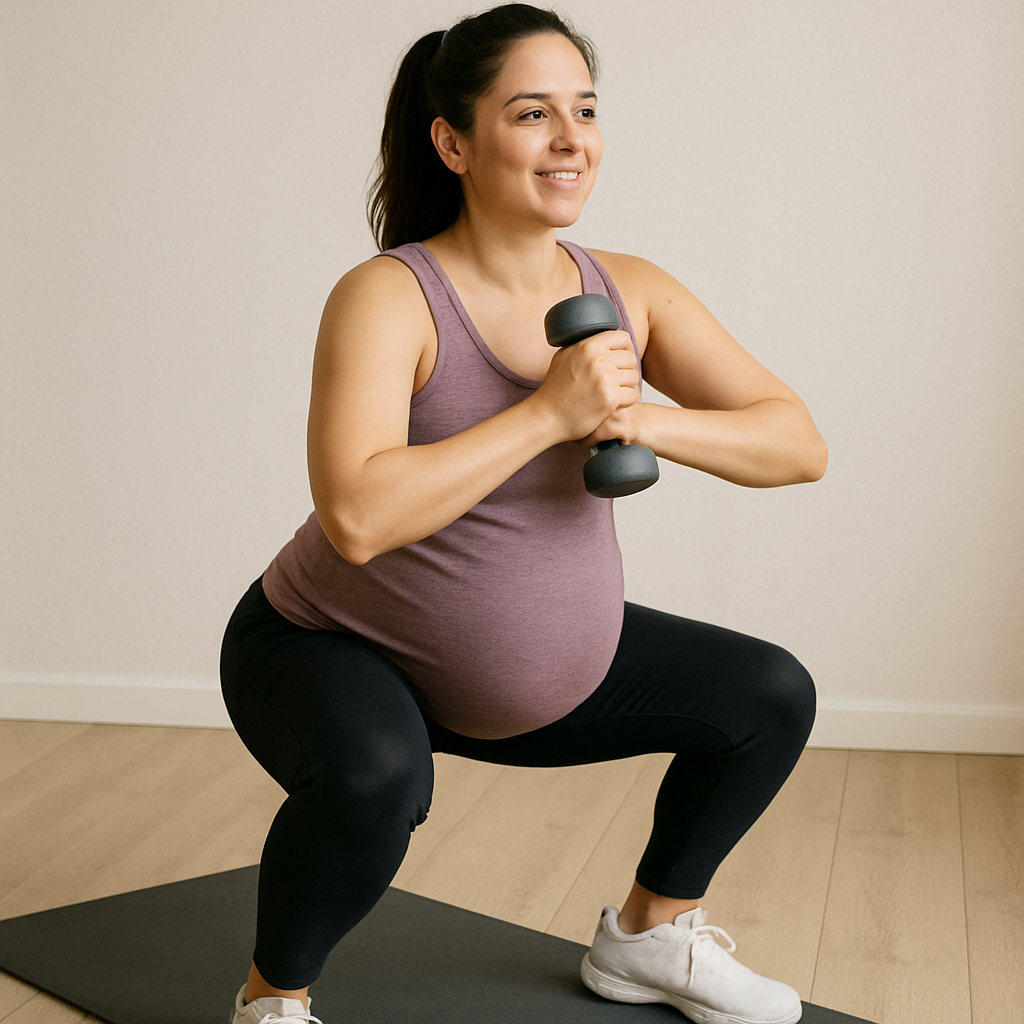
Beyond the numbers, action is what truly builds protection. Health experts agree that one of the most effective ways to reduce heart disease risk for women is through consistent movement. The goal isn’t a marathon; it’s 150 minutes of moderate activity each week. This could be five 30-minute brisk walks, a few dance classes, or even vigorous gardening on the weekend. The key is to find an activity you enjoy that elevates your heart rate, making it a sustainable part of your routine rather than a chore.
Remember, small, steady steps create the most significant long-term change. Swapping one sugary drink for water or simply adding a 10-minute walk to your day might not feel monumental, but these consistent choices compound over time. It’s not about a complete overhaul overnight; it’s about making one better choice, then another. This mindset of progress, not perfection, is the foundation for lasting health.

Taking Charge of Your Heart Health Today
Where you once might have dismissed overwhelming fatigue or sudden nausea as “just stress,” you now see them through a new lens. You’ve learned to listen for the potential whispers from your heart—signals that may have previously been silent to you. This ability to connect subtle signs to your women’s heart health is a powerful and life-saving skill you now possess.
This new awareness is built on three simple, powerful principles. Know that the signs of heart disease in women can be quiet. Trust that your body’s signals are real and deserve immediate attention. And finally, act as your own best advocate by speaking openly and urgently with your doctor about what you’re experiencing.
This knowledge isn’t meant to create fear; it’s designed to give you power. Recognizing these symptoms isn’t about waiting for a crisis, but about confidently protecting your own well-being. You are now equipped to listen to your body, take decisive action, and champion your health for a long and vibrant life.
