
Breakfast is often hailed as the most important meal of the day, a claim that’s supported by a growing body of scientific research, especially in relation to cardiovascular health. A pivotal study published by the Journal of the American College of Cardiology (JACC) underscores the significant role that a nutritious breakfast plays in staving off cardiovascular diseases. This article will delve into the comprehensive findings of this study, exploring why starting your day with a balanced meal can yield profound, long-lasting health benefits.
The Research Behind Breakfast and Heart Health
The JACC study provides compelling evidence linking the omission of breakfast with a heightened risk of cardiovascular disease. Researchers meticulously analyzed dietary habits alongside health outcomes, concluding that individuals who regularly skip breakfast tend to exhibit elevated cholesterol levels, increased blood pressure, and a higher propensity for developing heart-related ailments.
The Metabolic Implications of Breakfast
A balanced breakfast serves as a catalyst for your metabolism, facilitating efficient calorie burning throughout the day. This metabolic boost is crucial for weight management, an important aspect of cardiovascular health. Furthermore, breakfast initiates the body’s insulin response, helping to stabilize blood sugar levels—a critical factor in maintaining heart health.
Nutrient Provision and Cognitive Enhancement
Beyond its metabolic benefits, breakfast is a prime opportunity to supply your body with essential nutrients. These nutrients are not only vital for physical energy but also play a crucial role in enhancing cognitive functions. By improving concentration and mental acuity, a nutritious breakfast can contribute to overall well-being and productivity.
Breakfast and Hormonal Balance
Eating a morning meal also aids in maintaining hormonal balance. It helps regulate the hormones that control hunger and satiety, reducing the likelihood of overeating later in the day. This hormonal regulation is essential for preventing weight gain and, by extension, reducing the risk of cardiovascular disease.
Components of a Healthy Breakfast
To harness the full benefits of breakfast, it’s imperative to focus on a dieta equilibrada or balanced diet. Incorporating a variety of nutrient-dense foods can ensure you receive the full spectrum of health advantages.
Whole Grains: The Fiber Factor
Whole grains such as oatmeal, whole wheat bread, and quinoa stand out as exceptional fiber sources. Fiber plays a pivotal role in reducing cholesterol levels and supporting heart health by aiding in weight management and controlling blood sugar levels. Moreover, the slow digestion of whole grains provides sustained energy, preventing mid-morning energy slumps.
Lean Proteins: Building Blocks of Health
Including lean proteins such as eggs, yogurt, or nuts in your breakfast can offer lasting energy and contribute to muscle maintenance. Proteins are fundamental for repairing body tissues and sustaining a robust immune system. Moreover, they enhance satiety, helping to curb unnecessary snacking and overeating.
Fruits and Vegetables: Nutrient Powerhouses
Incorporating fruits and vegetables into your breakfast can significantly boost your intake of vital vitamins, minerals, and antioxidants. These nutrients are instrumental in safeguarding the heart by reducing inflammation and combating oxidative stress. Additionally, the natural sugars in fruits provide a healthier energy source compared to refined sugars.
Healthy Fats: Essential for Heart Health
Incorporating healthy fats from sources like avocados, nuts, and olive oil supports heart health by improving cholesterol levels and reducing inflammation. These fats are also vital for absorbing fat-soluble vitamins, further enhancing the nutritional value of your breakfast.
The Impact of Skipping Breakfast
Neglecting breakfast can have adverse effects on your overall health. Individuals who routinely skip this meal often miss out on essential nutrients and are more prone to overeating later in the day, a behavior that can lead to weight gain—a significant risk factor for cardiovascular disease.
Metabolic Slowdown and Weight Gain
Skipping breakfast can lead to a metabolic slowdown, making it more challenging to burn calories efficiently throughout the day. This, coupled with a tendency to overeat later, can contribute to weight gain, further exacerbating the risk of cardiovascular issues.
Insulin Resistance and Cholesterol Concerns
Regularly skipping breakfast may contribute to insulin resistance, a condition that significantly increases the risk of developing type 2 diabetes and heart disease. Additionally, this habit can lead to elevated levels of LDL cholesterol, often referred to as “bad” cholesterol, which is a major risk factor for heart problems.
Emotional and Cognitive Impacts
Foregoing breakfast can also affect emotional and cognitive well-being. It can lead to mood swings, irritability, and reduced cognitive performance, all of which can indirectly impact heart health by increasing stress levels.
Tips for a Heart-Healthy Breakfast
Crafting a heart-healthy breakfast doesn’t have to be daunting. Here are some practical tips to help you get started on the right foot:
Plan Ahead for Success
Strategic meal planning can ensure you have all the necessary ingredients for a nutritious breakfast. This foresight helps avoid the temptation of opting for unhealthy choices when pressed for time. Consider preparing breakfast components the night before to streamline your morning routine.
Embrace Simplicity
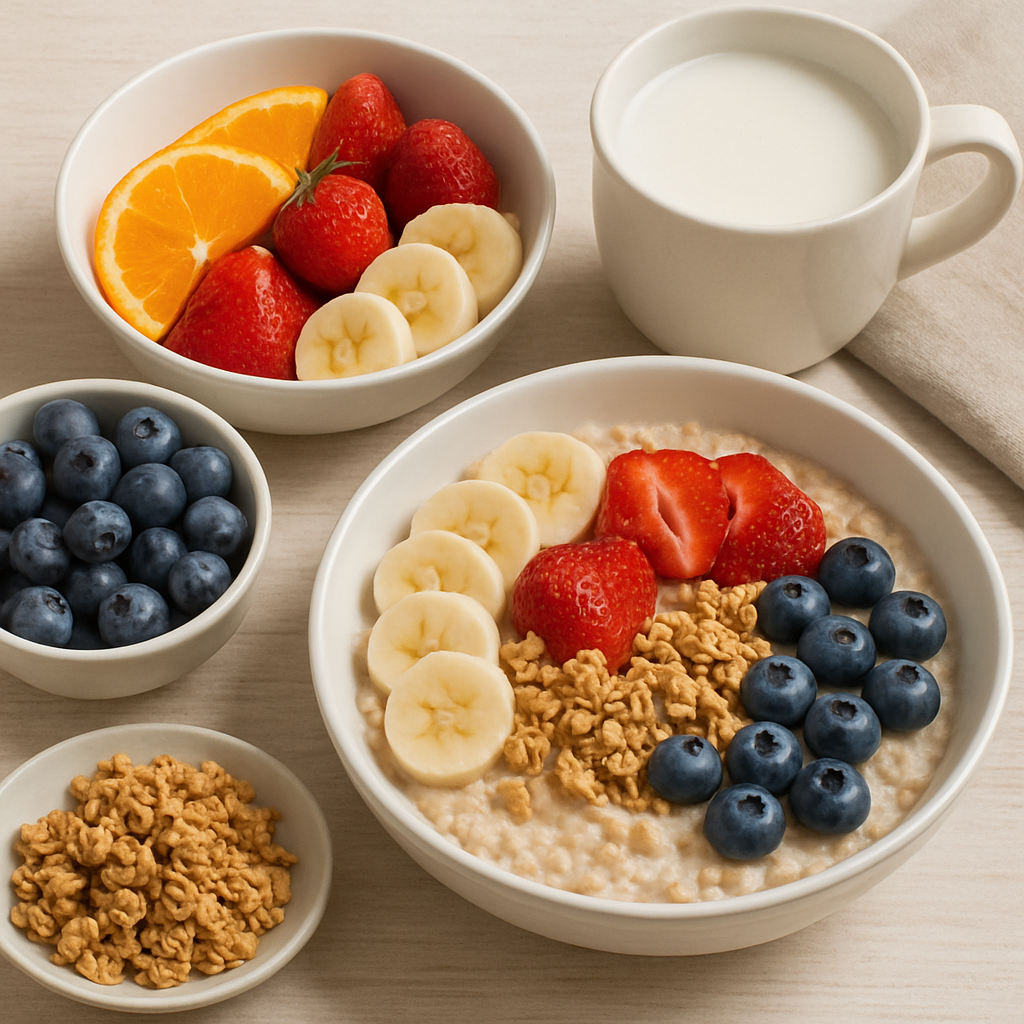
A nutritious breakfast need not be elaborate. Simple options, such as a bowl of oatmeal topped with fresh fruit and a handful of nuts, can be both satisfying and healthful. The key is to combine various food groups to cover all nutritional bases.
Prioritize Hydration
Hydration is integral to overall health, including heart health. Begin your day with a glass of water or a cup of herbal tea to kickstart your body’s functions. Adequate hydration supports digestion and nutrient absorption, enhancing the benefits of your breakfast.
Variety is Key
Incorporating a range of foods in your breakfast can prevent monotony and ensure a broader nutrient intake. Experiment with different grains, proteins, and fruits to keep your meals interesting and nutritionally diverse.
Conclusion
The findings from the JACC study underscore the vital importance of a healthy breakfast in preventing cardiovascular disease. By prioritizing a balanced morning meal, you can significantly support heart health, enhance overall well-being, and mitigate the risk of developing serious health conditions.
Remember, a dieta equilibrada that includes a nutritious breakfast is a powerful tool for maintaining heart health. Start your day with the right foods, and your heart will thank you for it. By incorporating breakfast into your daily routine, you take an essential step toward a healthier, heart-friendly lifestyle. So, tomorrow morning, savor a wholesome breakfast and give your heart the care it deserves, paving the way for a healthier future.
