
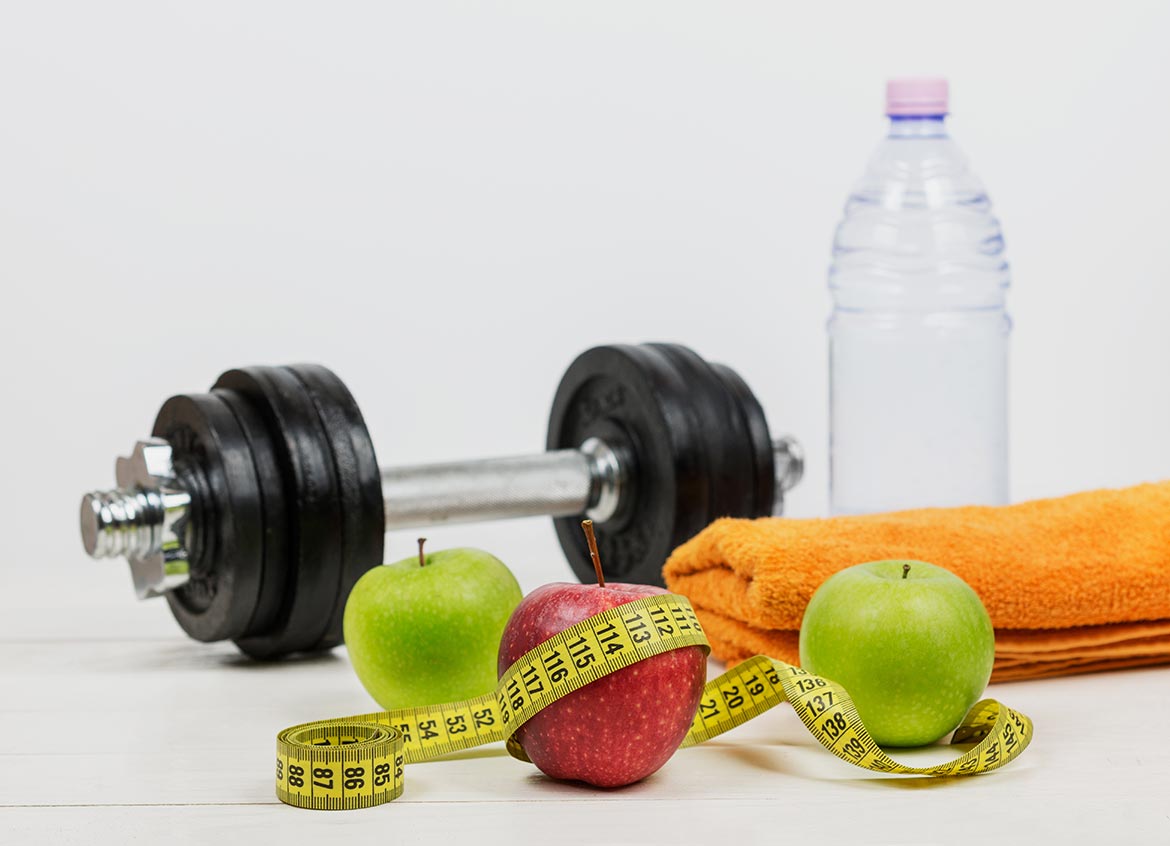

In today’s fast-paced world, maintaining a healthy lifestyle can be challenging. Between work, family, and social obligations, it may feel like there’s little time left to focus on nutrition. However, small changes can lead to big results. This article will guide you through some effective nutrition quick fixes, healthy snacks, and simple meal prep ideas to support your journey to better health.
Understanding Nutrition Quick Fixes
The Reality of Quick Fixes
When we talk about nutrition quick fixes, it’s important to understand that these are not magic solutions. Quick fixes should not be seen as shortcuts but as part of a broader commitment to health. They are practical steps that can simplify your journey to a healthier lifestyle. The key is to make these fixes a part of your routine so that they become second nature over time.
Quick fixes are about making small, sustainable changes that fit into your daily routine. These steps should complement other healthy habits rather than replace them. For instance, while a quick fix might be to swap a sugary drink for water, it’s essential to continue maintaining a balanced diet. The idea is to build a foundation of healthy habits that support long-term wellness.
The Science Behind Small Changes
The science behind small changes is compelling. Research indicates that minor adjustments in diet can lead to significant health improvements over time. For example, reducing sugar intake by just a small amount daily can decrease the risk of chronic diseases. Understanding this empowers individuals to make informed decisions that contribute to their well-being.
Moreover, small changes are less overwhelming than drastic overhauls. This gradual approach is more sustainable and reduces the likelihood of reverting to old habits. By focusing on manageable steps, you can steadily build a healthier lifestyle without feeling deprived or stressed. This approach also allows for greater flexibility and adaptation to your personal preferences and needs.
Incorporating Quick Fixes into Your Life
The key is to start small. Begin with one or two changes, such as adding an extra serving of vegetables to your meals or swapping out sugary snacks for healthier alternatives. These small adjustments can make a significant impact over time. Starting small reduces the pressure and makes it easier to integrate these changes into your lifestyle.
Once you’ve mastered a few small changes, gradually introduce more. For example, you could start incorporating more whole grains or experimenting with plant-based meals. It’s important to track your progress and celebrate your successes, no matter how small they seem. This positive reinforcement will motivate you to continue making healthy choices.
Healthy Snacks for On-the-Go

Snacking can be part of a healthy diet if you make the right choices. It’s about choosing snacks that are both nutritious and convenient, providing the energy you need without unnecessary calories. Here are some healthy snacks that fit the bill:
Fresh Fruits and Vegetables
Fruits and vegetables are nature’s perfect snacks. They are packed with vitamins, minerals, and fiber. Keeping a variety of fresh produce on hand, such as apples, carrots, and bell peppers, ensures you have a quick and healthy snack option. These snacks are easy to prepare and carry, making them ideal for busy lifestyles.
Moreover, fruits and vegetables are low in calories, which makes them great for those looking to maintain or lose weight. They also provide hydration and a natural source of energy. By incorporating more produce into your diet, you also increase your intake of essential nutrients that support overall health and wellness.
Nuts and Seeds
Nuts and seeds are excellent sources of protein and healthy fats. Almonds, walnuts, and sunflower seeds are great options. These snacks are portable and require no preparation, making them convenient for on-the-go snacking. However, remember to watch portion sizes, as they can be calorie-dense.
In addition to being nutritious, nuts and seeds can help keep you feeling full longer, which can prevent overeating at meal times. They also offer a variety of health benefits, such as improving heart health and providing antioxidants. By incorporating a handful of nuts or seeds into your snack routine, you can enjoy these benefits without the need for extensive meal prep.
Yogurt and Berries
Greek yogurt with a handful of berries is a delicious and nutritious snack. It’s high in protein and antioxidants, making it an excellent choice for a midday energy boost. The combination of yogurt and berries provides a balance of macronutrients, helping to stabilize blood sugar levels and sustain energy.
Additionally, the probiotics in yogurt support gut health, which is crucial for overall well-being. Berries add a natural sweetness and a dose of fiber, further enhancing the nutritional profile of this snack. This combination is not only satisfying but also versatile, as it can be adjusted to suit your taste preferences by adding different fruits or a sprinkle of nuts.
Whole-Grain Crackers and Hummus
Whole-grain crackers paired with hummus provide a satisfying combination of carbohydrates and protein. This snack is not only filling but also rich in fiber and healthy fats. Whole grains contribute to sustained energy levels, while hummus offers a creamy texture and a boost of plant-based protein.
The flavors and textures of this snack can be varied by trying different types of crackers or hummus flavors. This flexibility keeps your snacking interesting and enjoyable. Furthermore, this snack is easy to pack and carry, making it a practical option for work or travel.
Simple Meal Prep Ideas

Meal prepping is a fantastic way to ensure you have healthy meals ready to go, saving you time and reducing the temptation to opt for unhealthy options. Here are some simple meal prep ideas that can transform your weekly routine:
Plan Your Meals
Start by planning your meals for the week. Consider your schedule and choose recipes that are easy to prepare and fit your dietary needs. Write a shopping list to ensure you have all the ingredients on hand. Planning ahead helps to streamline your grocery shopping and minimizes the likelihood of impulse purchases.
Incorporate a variety of foods to ensure a balanced diet. Consider themes for each day, such as Meatless Monday or Taco Tuesday, to add excitement to your meals. This planning process can also be a fun family activity, encouraging everyone to contribute their meal ideas. By involving everyone, meal planning becomes less of a chore and more of a collaborative effort.
Batch Cooking
Batch cooking involves preparing large quantities of food at once and storing them for later use. Cook a big batch of brown rice, quinoa, or roasted vegetables to use throughout the week. This technique saves time and ensures you always have healthy options available.
Batch cooking can also be applied to proteins, such as grilling chicken breasts or baking tofu in advance. Having these staples ready allows for quick assembly of meals, such as salads or grain bowls. This method not only saves time but also reduces food waste, as you’re more likely to use ingredients you’ve prepared.
Pre-Portion Your Meals
Divide your meals into individual portions using containers. This method makes it easy to grab a balanced meal on busy days. Focus on including a source of protein, whole grains, and plenty of vegetables in each meal. Pre-portioned meals help with portion control and ensure you get a balanced intake of nutrients.
This approach is particularly beneficial for those with busy schedules, as it removes the guesswork from meal times. By having meals ready to go, you can avoid the temptation of fast food or unhealthy alternatives. Additionally, pre-portioned meals can be customized to fit personal dietary needs, such as specific calorie counts or macronutrient ratios.
Use Versatile Ingredients
Select ingredients that can be used in multiple dishes. For example, grilled chicken can be added to salads, wraps, or stir-fries. This approach maximizes variety without additional effort. Versatile ingredients allow for creativity in the kitchen and prevent meal prep from becoming monotonous.
By using ingredients in different ways, you can enjoy a diverse array of meals without needing to purchase a wide variety of items. This not only saves money but also encourages resourcefulness in the kitchen. Experimenting with different herbs, spices, and sauces can further expand your meal options and keep your taste buds satisfied.
Staying Hydrated
Hydration is a key component of good nutrition. Drinking enough water helps maintain energy levels and supports overall health. Aim to drink at least eight 8-ounce glasses of water per day, more if you are active or in a hot climate. Proper hydration is crucial for bodily functions, including digestion, temperature regulation, and cognitive performance.
Infuse Your Water
If plain water doesn’t appeal to you, try infusing it with fruits, herbs, or vegetables. Adding slices of lemon, cucumber, or mint can enhance the flavor without adding calories. Infused water not only tastes better but also encourages you to drink more throughout the day.
Experiment with different combinations to find your favorite flavors. Infused water can also be a visually appealing addition to your table, making it more inviting to drink. By keeping a pitcher of infused water in your fridge, you always have a refreshing beverage ready to enjoy.
Benefits of Staying Hydrated
Staying hydrated aids in maintaining energy levels and concentration. Dehydration can lead to fatigue, headaches, and reduced cognitive function. By drinking enough water, you support your body’s ability to perform optimally throughout the day.
In addition to these immediate benefits, proper hydration also contributes to long-term health. It helps maintain skin elasticity, supports kidney function, and aids in weight management by reducing the likelihood of mistaking thirst for hunger. Understanding these benefits reinforces the importance of making hydration a priority.
Tips for Drinking More Water
If you struggle to drink enough water, try setting reminders on your phone or using a water-tracking app. Carry a reusable water bottle with you to make it more convenient to sip throughout the day. Create a routine by drinking a glass of water at specific times, such as when you wake up or before each meal.
Incorporating water-rich foods into your diet, such as cucumbers and watermelon, can also contribute to your hydration goals. By making small, conscious efforts to increase your water intake, you can develop healthier habits that support overall wellness.
Avoiding Common Nutrition Pitfalls
It’s easy to fall into the trap of convenient but unhealthy food choices. Being aware of these pitfalls can help you make better decisions. Here are a few pitfalls to watch out for and how to avoid them:
Overconsumption of Processed Foods
Processed foods are often high in sugar, sodium, and unhealthy fats. Try to limit these and focus on whole, unprocessed foods as much as possible. These foods are often stripped of their nutritional value and can contribute to health issues over time.
To avoid overconsumption, plan your meals around whole foods and cook at home whenever possible. This approach allows you to control the ingredients and avoid hidden additives. Reading labels carefully can also help you make informed choices and identify healthier options.
Skipping Meals
Skipping meals can lead to overeating later in the day. Instead, aim for three balanced meals and healthy snacks to keep your energy levels stable. Regular meals help maintain blood sugar levels and prevent the energy crashes that lead to poor food choices.
If you’re prone to skipping meals due to a busy schedule, try meal prepping or keeping healthy snacks on hand. Establishing a routine for meal times can also prevent forgetfulness and ensure you provide your body with the nutrients it needs.
Not Reading Labels
Understanding food labels can help you make healthier choices. Look for foods with simple, recognizable ingredients and watch out for added sugars and trans fats. Labels provide insight into the nutritional content of foods, helping you align your choices with your health goals.
Take the time to familiarize yourself with common label terms and what they mean. This knowledge empowers you to select foods that support your dietary needs and preferences. By making label reading a habit, you can consistently choose products that contribute to a healthier lifestyle.
Conclusion: Embrace a Healthier Lifestyle
Incorporating nutrition quick fixes, healthy snacks, and simple meal prep into your routine can lead to lasting health benefits. By making small, manageable changes, you can improve your diet and overall well-being without feeling overwhelmed. Remember, the journey to a healthier lifestyle is a marathon, not a sprint. Start with these tips, stay consistent, and enjoy the benefits of better nutrition.
By following these practical steps, you can navigate the complexities of nutrition and find a balance that works for your lifestyle. Embrace the process, and don’t be discouraged by setbacks. Every small step forward is progress towards a healthier, happier you. Celebrate your achievements and continue seeking ways to enhance your nutrition journey. Here’s to a healthier, happier you!
