

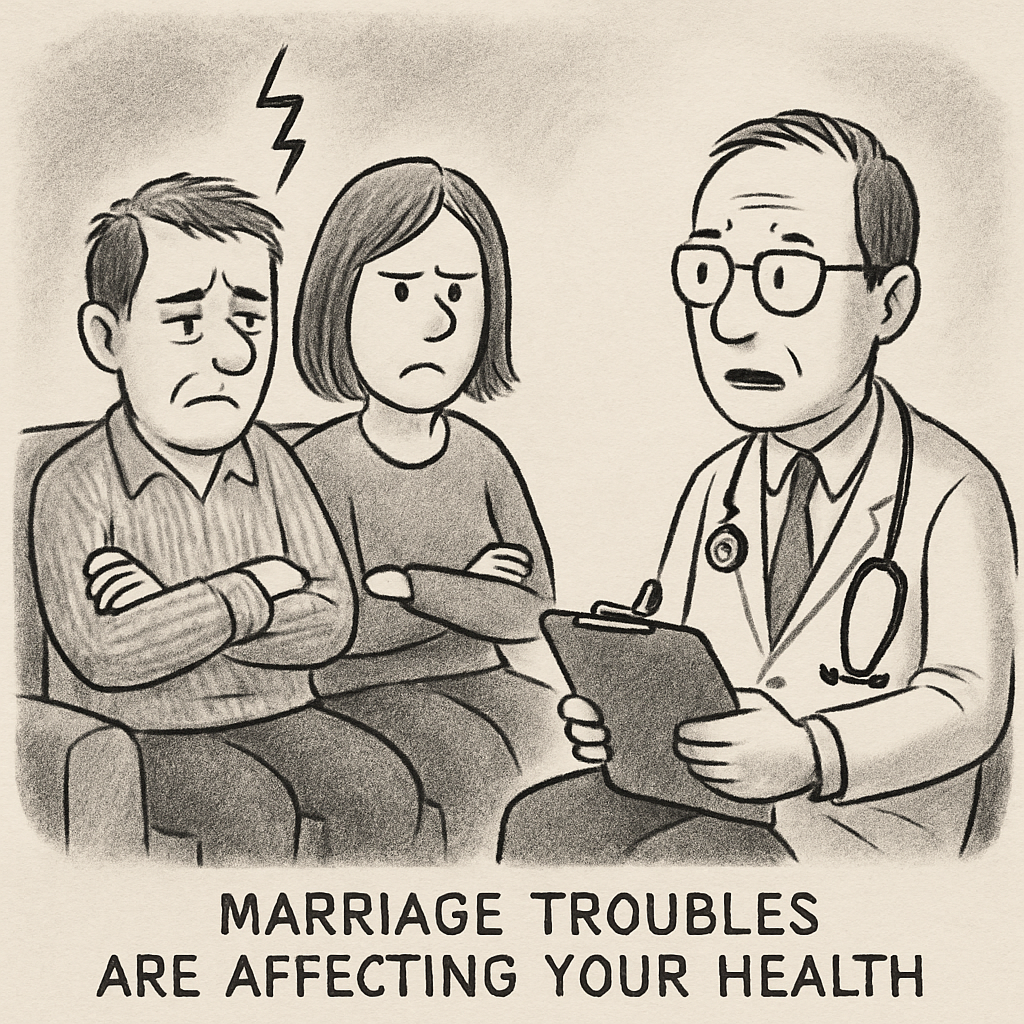
Marriage is often described as a partnership where both individuals bring their unique strengths and weaknesses to the table. However, when this partnership hits rough patches, it can have serious implications for mental and physical well-being, especially for men. A study highlighted in the New York Post revealed that ongoing marital troubles can be linked to health problems, including increased blood pressure. Let’s delve into the connection between marriage troubles and health, and explore how stress in relationships can impact mental health.
Understanding the Link: Mental Health and Marriage
Marriage is not just a social or emotional bond; it also plays a significant role in the mental health of individuals. A strong, supportive marriage can be a source of comfort and stability. Conversely, a troubled marriage can lead to stress and anxiety, which have direct implications for mental health.
Emotional Stability and Support
A stable marriage provides emotional support that acts as a buffer against life’s challenges. When partners offer empathy and understanding, it creates a safe space for emotional expression. This emotional safety net can significantly reduce anxiety and depression levels, promoting mental well-being.
Stress and Relationships

When marital problems arise, they often bring a roller coaster of emotions. Stress, anger, sadness, and frustration can become a part of everyday life. These negative emotions are not just mentally taxing; they can also manifest physically. The body responds to stress by releasing hormones like adrenaline and cortisol, which, over time, can lead to health issues such as high blood pressure.
Emotional stress from marital discord can exacerbate underlying mental health conditions. The constant strain may trigger episodes of depression or anxiety disorders, making it vital to address these issues promptly.
The Marriage Troubles Health Connection
The connection between marriage troubles and health is complex but undeniable. Men, in particular, may find themselves vulnerable due to societal expectations of masculinity, which often discourage open discussions about emotions and mental health. Consequently, they might internalize stress, leading to adverse health effects.
Men are sometimes expected to be the emotional stronghold in a marriage, which can lead to suppressed emotions. This internalization can manifest physically, increasing the risk of chronic health conditions. Men need to feel empowered to express their emotional struggles to prevent these health issues.
Blood Pressure and Stress
One of the most direct health issues linked to marital stress is high blood pressure. Stress triggers the body’s fight-or-flight response, causing the heart to pump faster and blood vessels to narrow, which raises blood pressure. Chronic stress from ongoing marital disputes can lead to sustained high blood pressure, increasing the risk of heart disease and stroke.
Prolonged exposure to stress hormones like cortisol can damage blood vessels, leading to heart complications. Monitoring blood pressure and stress levels is crucial in marriages where conflict is prevalent. Couples should consider lifestyle changes and stress-reduction techniques to mitigate these health risks.
Practical Steps to Mitigate Stress
Understanding the link between marital stress and health is the first step. The next step involves taking proactive measures to mitigate stress and promote a healthier relationship. Here are some practical strategies:
Communication is Key

Open and honest communication is foundational in resolving marital issues. It’s essential for partners to express their feelings without fear of judgment. Regular check-ins can help couples address issues before they escalate.
Effective communication involves active listening and empathy, allowing partners to understand each other’s perspectives. Couples should establish ground rules for discussions to ensure they remain productive and respectful.
Seek Professional Help
Sometimes, couples may need external support to navigate their issues. Seeking help from a marriage counselor or therapist can provide valuable insights and strategies for managing stress and improving the relationship.
Therapists can offer a neutral perspective and mediate discussions, helping couples resolve deep-seated issues. They can also teach coping mechanisms and communication skills that are essential for a healthy relationship.
Focus on Self-care
Taking care of oneself is crucial, especially when dealing with stress. Regular exercise, a healthy diet, and adequate sleep can help manage stress levels. Additionally, mindfulness practices such as meditation or yoga can promote mental clarity and emotional balance.
Physical activity releases endorphins, which are natural mood lifters, reducing stress and anxiety. Mindfulness practices encourage relaxation and self-reflection, helping individuals process emotions more effectively.
Build a Support System
Having a support system outside of the marriage is equally important. Friends, family, or support groups can provide an outlet for sharing experiences and receiving advice, helping to reduce the burden of stress.
Social connections offer diverse perspectives and emotional support, which can be invaluable during tough times. Support groups, in particular, provide a sense of community and understanding for individuals facing similar challenges.
The Bigger Picture: Societal Implications
The implications of marital stress extend beyond the individual and can have broader societal impacts. Chronic health issues stemming from marital stress can lead to increased healthcare costs and reduced productivity.
Encouraging Open Conversations
Society needs to encourage open conversations about mental health and relationships. Men, in particular, should feel empowered to seek help and express their emotions without stigma. By normalizing discussions around mental health, we can create an environment where individuals feel supported in seeking the help they need.
Workshops and public campaigns can play a significant role in changing societal attitudes towards mental health. By promoting understanding and acceptance, we can reduce the stigma associated with seeking help.
Promoting Healthy Relationships
Educational programs and workshops focused on relationship skills can equip individuals with the tools necessary for nurturing healthy relationships. These programs can teach conflict resolution, effective communication, and empathy, all of which are crucial for a strong marriage.
Schools and community centers can offer these programs, reaching individuals at various life stages. By focusing on prevention and education, we can foster healthier relationships and reduce the incidence of marital stress.
Economic Impact
The economic implications of marital stress are significant, affecting productivity and healthcare systems. Addressing marital issues can lead to healthier individuals, reducing absenteeism and healthcare costs for employers.
Investing in mental health and relationship support can yield economic benefits, enhancing overall productivity and societal well-being. Employers can play a role by providing resources and support for employees facing marital challenges.
Conclusion
The connection between marriage troubles and men’s health is a critical issue that requires attention. By understanding the impact of stress and taking proactive steps to address it, individuals can improve both their mental health and their relationships. Open communication, professional help, self-care, and support systems are all vital components in managing stress and promoting a healthy, fulfilling marriage. By addressing these issues, we not only enhance individual well-being but also contribute to a healthier, more supportive society.
