
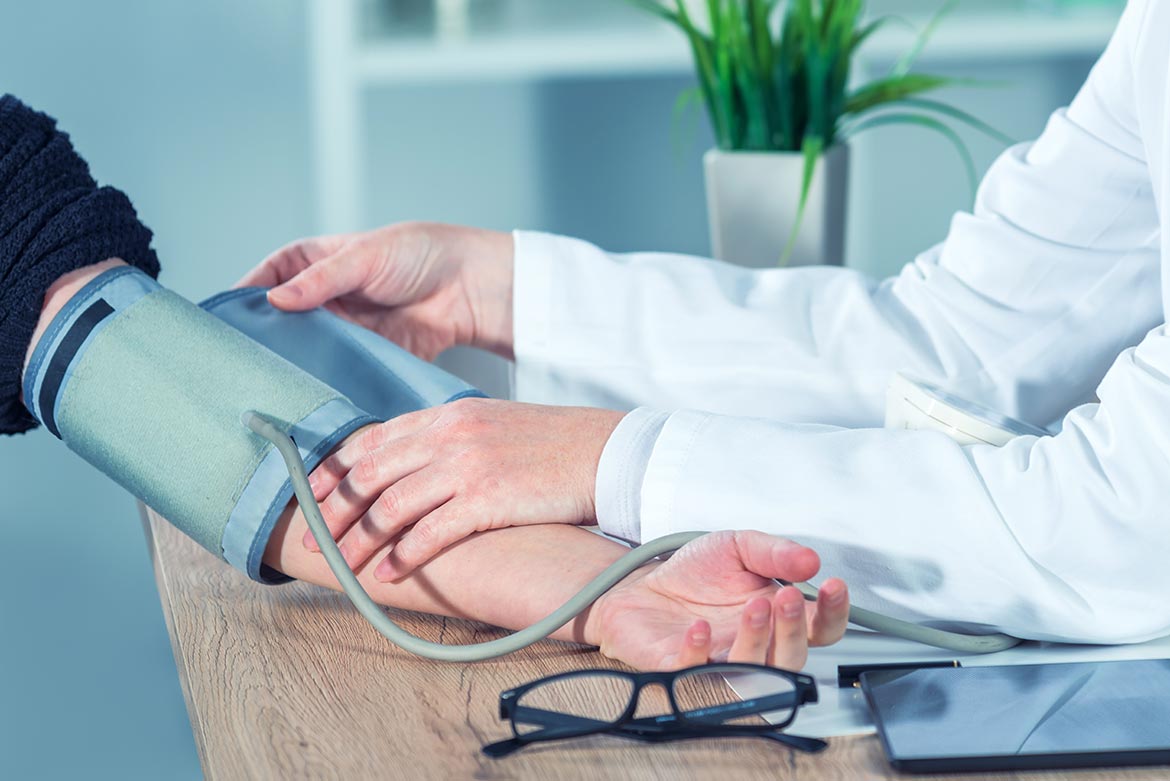
Heart disease remains a leading cause of death among women worldwide, yet many are unaware of how heart attack symptoms manifest differently in women compared to men. This lack of awareness can lead to dangerous delays in seeking treatment. Recognizing these symptoms early can be life-saving, making it crucial to understand their unique manifestations. In this expanded article, we will delve deeply into the symptoms of a heart attack in women, understand their unique manifestations, and explore comprehensive preventative steps to safeguard heart health.

Heart attacks can strike without warning, but they often present with several telltale signs. While chest pain is a common symptom for both men and women, it’s essential to note that women may experience a wider array of symptoms that are less typical. Understanding these can make the difference between life and death.
Classic Symptoms
- Chest Pain or Discomfort: The most well-known symptom of a heart attack, chest pain may feel like pressure, squeezing, fullness, or pain that lasts more than a few minutes or goes away and comes back. This pain can be centered in the chest or move to other areas.Women may describe this sensation differently, often as tightness or a band-like feeling across the chest.Unlike in men, women might experience chest pain that is not as severe, making it easier to dismiss as something less critical.
- Pain in Other Areas: Women might experience pain or discomfort in one or both arms, the back, neck, jaw, or stomach. This pain can be gradual or sudden, and it may even wake you from sleep.Pain in these areas can be misleading, often mistaken for musculoskeletal issues or stress-related discomfort.The pain can vary in intensity and may come and go, which can further complicate recognition.
Subtle, Yet Significant Symptoms
Women often experience heart attack symptoms that are less dramatic but equally serious. These include:
- Shortness of Breath: This might occur with or without chest discomfort. It can happen while resting or during physical activity.Women may notice this symptom when performing tasks that previously did not cause any difficulty.It may be accompanied by a feeling of tightness in the throat or chest, which can be alarming and should not be ignored.
- Nausea or Vomiting: Feeling sick to the stomach or experiencing vomiting can be a sign of a heart attack, especially if it’s accompanied by other symptoms.These symptoms are often misattributed to gastrointestinal issues, leading to delays in seeking appropriate care.Persistent nausea without a clear cause should prompt consideration of cardiac evaluation.
- Lightheadedness or Dizziness: Feeling faint or dizzy can occur during a heart attack and may be accompanied by cold sweats.These sensations can occur suddenly and may be severe enough to impair balance or consciousness.Cold sweats, in particular, are a common but often overlooked symptom that warrants immediate attention.
- Unusual Fatigue: Women often report feeling fatigued or exhausted even without physical exertion. This fatigue can be sudden and overwhelming.The fatigue is often described as extreme, with a feeling of heaviness or inability to perform routine activities.It’s crucial to consider this symptom, especially if it accompanies other subtle signs.
- Sweating: Breaking out in a cold sweat for no apparent reason can be a red flag.This symptom is often dismissed as a sign of stress or anxiety but can be an important indicator of a heart attack.Awareness of this symptom can lead to earlier intervention and better outcomes.
Pre Heart Attack Symptoms in Women

Understanding pre-heart attack symptoms is crucial for early intervention. These symptoms can occur days or even weeks before an actual heart attack, offering a critical window for preventive action.
Warning Signs
- Persistent Fatigue: Unlike normal tiredness, this fatigue is profound and unexplained, often described as feeling worn out despite ample rest.It can be challenging to distinguish from everyday fatigue, but its persistence and intensity are key indicators.Women should be attentive to changes in their energy levels, especially if they interfere with daily activities.
- Sleep Disturbances: Trouble falling asleep or waking up feeling tired and unrested could be an indicator.Sleep disturbances can manifest as insomnia or frequent awakenings during the night, often with a sense of anxiety.These disturbances are sometimes attributed to other conditions, but in the context of other symptoms, they warrant attention.
- Anxiety: A sense of impending doom or unexplained anxiety can precede a heart attack.This anxiety can feel different from normal stress, often accompanied by a feeling of unease or restlessness.Understanding this symptom as a potential precursor to a cardiac event can facilitate timely medical consultation.
- Indigestion or Heartburn: Persistent indigestion or a burning sensation in the chest can be a warning sign.These symptoms are frequently misinterpreted as gastrointestinal issues, delaying appropriate heart evaluations.Persistent or recurrent episodes, particularly when combined with other symptoms, should prompt a cardiac assessment.
Why Heart Attack Symptoms Differ in Women
The differences in heart attack symptoms between men and women are attributed to several factors, including biological and hormonal differences. Understanding these differences is essential for accurate diagnosis and treatment.
Biological Differences
- Non-Obstructive Coronary Artery Disease: Women are more likely to have non-obstructive coronary artery disease, which can alter how symptoms present.This type of heart disease can lead to symptoms despite normal or near-normal coronary arteries.It requires different diagnostic and therapeutic approaches compared to obstructive forms of the disease.
- Hormonal Influences: Hormonal changes, especially during menopause, play a significant role in heart health.Decreased estrogen levels after menopause contribute to increased cardiovascular risk.Hormonal fluctuations can affect blood vessel function and heart rate, influencing symptom presentation.
- Anatomical Variations: Women typically have smaller coronary arteries than men, which can impact the severity and detection of blockages.These anatomical differences may contribute to the subtler presentation of symptoms.Understanding these variations is crucial for developing gender-specific diagnostic criteria.
Importance of Early Detection and Action

Recognizing these symptoms early and seeking prompt medical attention can significantly affect outcomes. Women often downplay their symptoms and delay seeking help, which can lead to worse outcomes.
What to Do If You Suspect a Heart Attack
- Call Emergency Services: If you or someone else is experiencing symptoms, call emergency services immediately. Do not attempt to drive yourself to the hospital.Quick response can minimize heart damage and improve survival rates.Ensure that emergency responders are informed about all symptoms to facilitate appropriate treatment.
- Chew Aspirin: If advised by a healthcare professional, chewing an aspirin can help thin the blood and improve blood flow to the heart.Aspirin can prevent further clot formation, reducing the severity of the heart attack.It’s important to follow medical advice on the dosage and timing of aspirin administration.
- Stay Calm: While waiting for medical help, try to remain calm and rest comfortably.Stress can exacerbate symptoms and worsen the situation, so maintaining calmness is critical.Practicing deep breathing or focusing on slow, steady breaths can help manage anxiety.
Preventative Measures for Heart Health
Taking proactive steps to maintain heart health can reduce the risk of a heart attack. Here are some strategies:
Regular Check-ups
- Routine Health Screenings: Routine health screenings can help detect risk factors like high blood pressure, high cholesterol, and diabetes early.Regular visits to healthcare providers facilitate early intervention and effective management of risk factors.Blood tests, blood pressure checks, and cholesterol monitoring are essential components of preventive care.
- Personalized Risk Assessment: Discussing personal and family history with a healthcare provider can identify unique risk factors.Understanding genetic predispositions can guide more targeted preventive measures.Healthcare providers can offer tailored advice on lifestyle changes and medical interventions.
Healthy Lifestyle Choices
- Healthy Diet: Eating a balanced diet rich in fruits, vegetables, whole grains, and lean proteins supports heart health.Reducing salt, sugar, and unhealthy fats can help maintain healthy blood pressure and cholesterol levels.Incorporating heart-healthy foods like nuts, fish, and olive oil can further protect the heart.
- Regular Exercise: Engage in at least 150 minutes of moderate exercise per week to strengthen the heart and improve circulation.Activities such as walking, cycling, and swimming are excellent choices for cardiovascular fitness.Exercise not only strengthens the heart but also helps with weight management and stress reduction.
- Quit Smoking: Smoking is a significant risk factor for heart disease. Quitting can improve heart health almost immediately.Support resources such as cessation programs, counseling, and medications can aid in quitting.The benefits of quitting smoking extend beyond heart health, improving overall well-being.
- Manage Stress: Chronic stress can negatively impact heart health. Techniques such as yoga, meditation, and deep breathing can be beneficial.Stress management strategies help lower blood pressure and reduce the risk of heart disease.Incorporating relaxation practices into daily routines can enhance both mental and physical health.
Conclusion
Understanding the unique symptoms of heart attacks in women and taking preventative measures can save lives. By spreading awareness and prioritizing heart health, women can reduce their risk and lead healthier, more fulfilling lives. Always consult with healthcare professionals for personal advice tailored to your health needs. Through education and proactive health management, we can empower women to take control of their heart health and improve outcomes.
