
Dense breast tissue is a term many women encounter during their health check-ups, often leaving them with questions about its significance and implications. Understanding breast density is crucial as it plays a significant role in breast cancer screening and detection. This article delves into what causes dense breast tissue, its impact on breast cancer screening, and the additional tests that might be necessary.
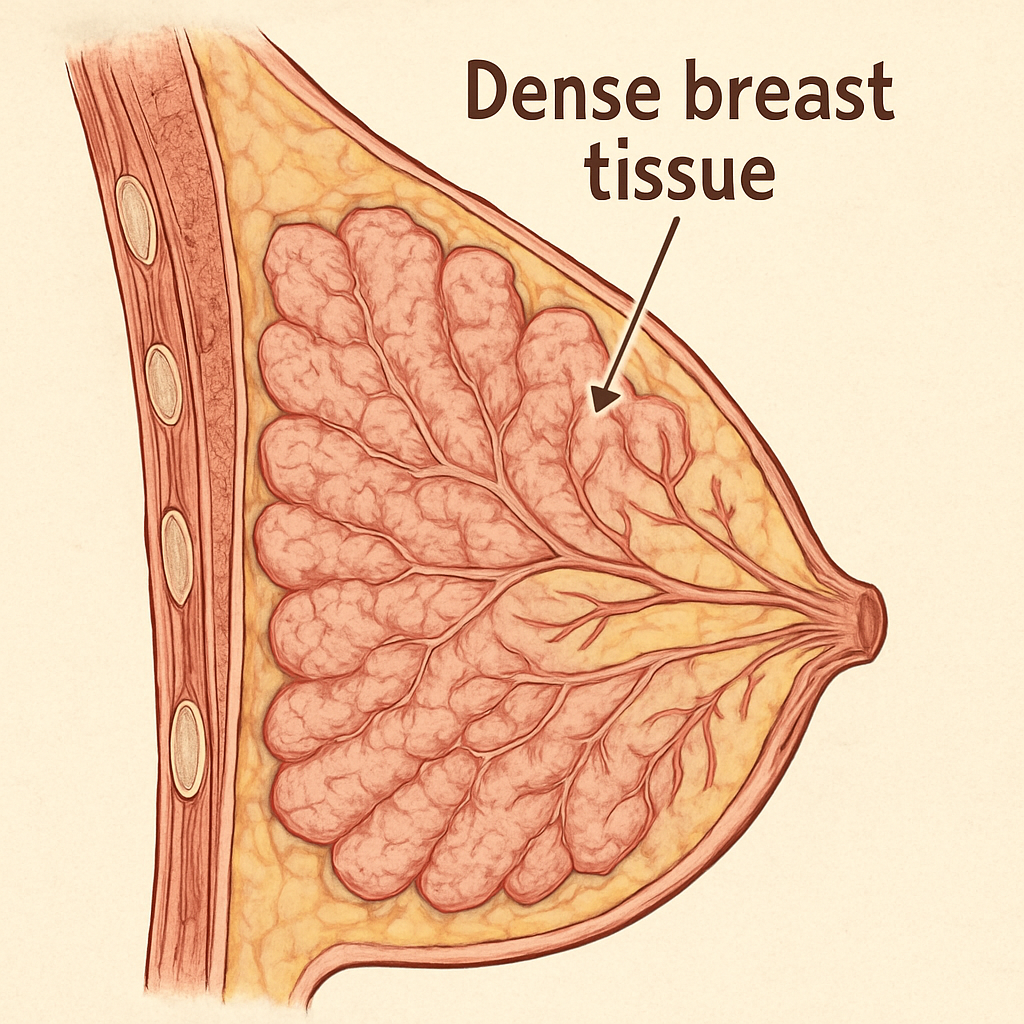
Breast tissue is comprised of milk glands, milk ducts, and supportive tissue (dense breast tissue), along with fatty tissue. When you have dense breasts, it means you have more dense tissue than fatty tissue. This condition is quite common and not abnormal.
Composition of Breast Tissue
Breast tissue is a complex mix of different types of tissues. Milk glands and ducts are responsible for milk production and transportation, while the supportive tissue, or stroma, gives the breast its shape and structure. The fatty tissue serves as padding and energy storage. In dense breasts, the proportion of glandular and fibrous tissue is higher compared to fatty tissue, which is why they feel firmer.
Visibility Challenges on Mammograms
Dense breast tissue is important to recognize because it can make it more challenging to see cancers on mammograms. Dense tissue appears white on a mammogram, just like cancer, thus potentially hiding abnormalities. This overlap in appearance can make it difficult for radiologists to distinguish between healthy dense tissue and potential tumors, leading to the need for more advanced imaging techniques.
Prevalence and Normalcy
Having dense breast tissue is quite common, with estimates suggesting that about 40% to 50% of women over the age of 40 have dense breasts. It’s not considered an abnormal condition, but it’s an important factor in determining breast cancer risk and screening strategies. Understanding that dense breasts are normal can alleviate some concerns, though it emphasizes the importance of tailored screening approaches.
What Causes Dense Breast Tissue?
There are several factors that can influence breast density, including:
Age-Related Changes
Breast density tends to decrease with age. Younger women are more likely to have dense breast tissue, which typically becomes less dense as they age. This is due to the natural hormonal changes that occur over a woman’s lifetime, particularly during menopause, where fatty tissue often replaces the denser glandular tissue.
Genetic Predisposition
If your mother or sisters have dense breasts, you might have dense breasts as well. Genetics can play a significant role in determining breast density. Studies have shown that breast density is heritable, meaning that if dense breasts run in your family, you are more likely to have them too.
Impact of Hormonal Factors
Women who undergo hormone replacement therapy for menopause symptoms may experience higher breast density. Estrogen and progesterone, the hormones often involved in this therapy, can stimulate breast tissue growth, increasing density. It’s important for women undergoing such therapies to discuss their breast density with their healthcare providers.
Influence of Body Composition
Women with lower body weight might have denser breast tissue because they have less fatty tissue in their breasts. Conversely, women with higher body weight may have more fatty tissue, which can reduce overall breast density. This relationship between body weight and breast density highlights the complex interplay between different physiological factors.
Why is Breast Density Important?
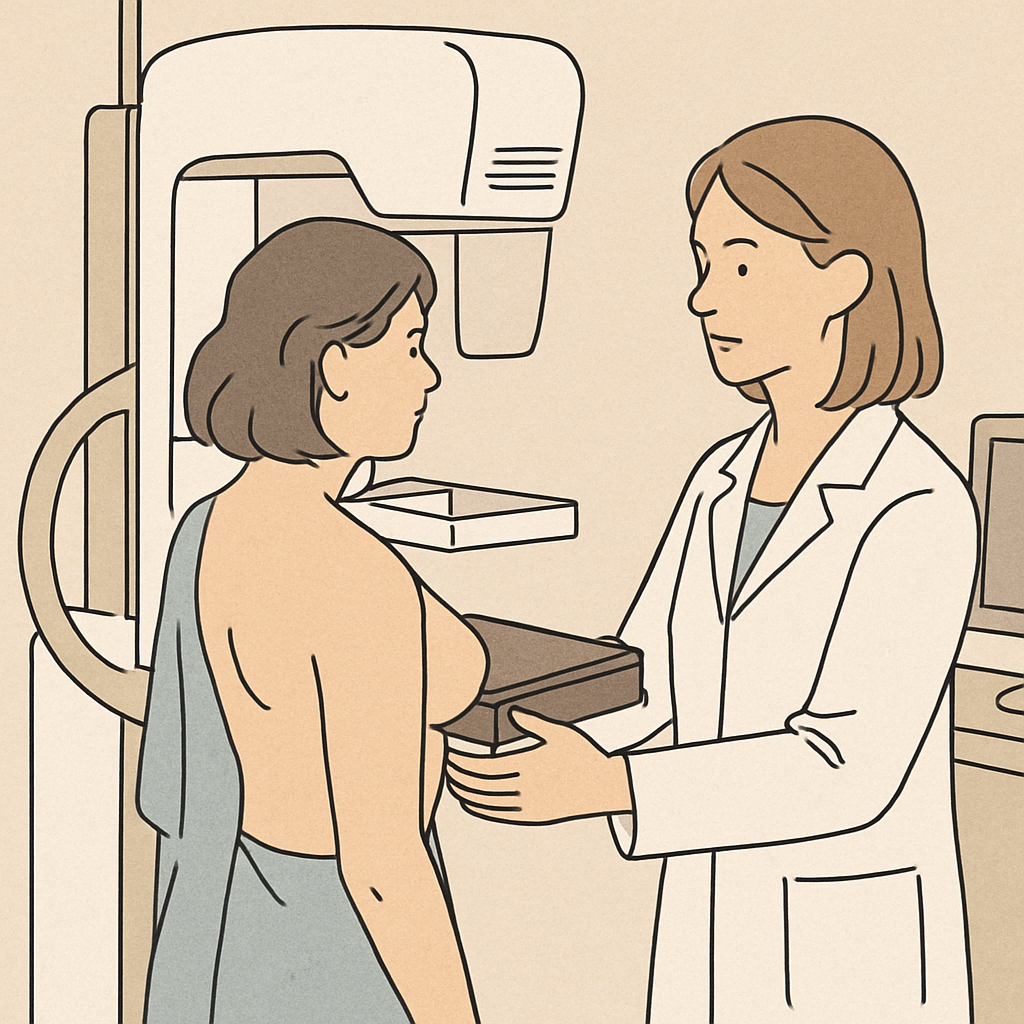
Breast density is a crucial factor in breast cancer screening for a couple of reasons:
Challenges in Cancer Detection
Dense breast tissue can hide cancer on a mammogram. As dense tissue appears white on a mammogram, similar to tumors, it can obscure the results, making cancer harder to detect. This can lead to both false negatives, where cancer is missed, and false positives, where benign areas are mistaken for cancer.
Increased Risk of Breast Cancer
Women with dense breasts are slightly more likely to develop breast cancer than women with less dense tissue. The reasons for this are not entirely clear but are an important consideration in breast cancer screening. Some hypotheses suggest that the increased amount of glandular tissue provides more opportunities for cancerous changes.
Implications for Screening Strategies
Due to these challenges and risks, women with dense breasts might need a more personalized approach to breast cancer screening. This can include more frequent screenings or the use of additional imaging technologies. Understanding one’s breast density helps tailor a screening program that maximizes cancer detection while minimizing unnecessary anxiety and interventions.
How is Breast Density Determined?
Breast density is determined through a mammogram. After examining the mammogram, a radiologist categorizes breast density into one of four levels:
Almost Entirely Fatty
Indicates that the breasts are mostly composed of fat. This is the easiest type of breast tissue to assess via mammogram, as the lower density of glandular tissue makes any abnormalities more visible against the fatty background.
Scattered Areas of Fibroglandular Density
Indicates some dense tissue, but the majority is non-dense. This level suggests that while there is some presence of dense tissue, it’s not enough to significantly obscure mammogram images. Regular mammograms are generally sufficient for screening.
Heterogeneously Dense
There are more areas of dense tissue which could obscure small masses. This category signifies a higher challenge in detecting small abnormalities, prompting discussions on the need for additional screening methods to ensure thorough examination.
Extremely Dense
Significantly increases the difficulty of detecting cancer on mammograms. For women with extremely dense breasts, alternative screening methods may be necessary to effectively monitor breast health and detect potential cancers early.
Additional Screening Tests for Dense Breasts
For women with dense breast tissue, additional screening tests might be recommended to complement mammograms. These can include:
Breast Ultrasound
An ultrasound uses sound waves to create detailed images of the breast tissue. It can be a useful tool for examining dense breasts and finding abnormalities that a mammogram might miss. Unlike mammograms, ultrasounds do not use radiation, making them a safe option for more frequent screenings if needed.
Breast MRI
Magnetic Resonance Imaging (MRI) provides a more detailed picture of breast tissue. It’s often used for women at high risk for breast cancer, providing another layer of screening beyond the traditional mammogram. MRIs are particularly effective in detecting cancers in dense breast tissue, though they are more costly and not typically used for routine screening.
3D Mammography (Tomosynthesis)
Also known as tomosynthesis, 3D mammography creates a three-dimensional picture of the breast and can improve cancer detection in dense breast tissue. This advanced technology allows radiologists to examine breast tissue layer by layer, reducing the overlap of dense tissues and improving the accuracy of screenings.
Considerations for Screening Options
Choosing the right additional screening method depends on individual risk factors, including family history, genetic predispositions, and the level of breast density. A healthcare provider can help evaluate these factors and recommend the most appropriate screening approach.
Discussion with Your Healthcare Provider
It’s essential to have open discussions with your healthcare provider about your breast density and what it means for your cancer screening routine. Here are some questions you might consider asking:
Understanding Your Density Category
What is my breast density category? Knowing your specific density category helps in understanding your personalized screening needs. Discussing this with your provider can clarify what steps are necessary for effective monitoring.
Evaluating Breast Cancer Risk
Does my breast density affect my risk for breast cancer? Understanding how your density impacts your risk can guide decisions on screening frequency and methods. It’s important to combine this knowledge with other risk factors like family history and lifestyle.
Exploring Additional Screening Tests
What are the pros and cons of additional screening tests? Discussing the benefits and limitations of tests like ultrasounds or MRIs helps in making informed decisions about your screening strategy. Each option has its own set of advantages that should be weighed against potential drawbacks like cost or false positives.
Establishing a Screening Schedule
How often should I have mammograms or other screenings? Determining the appropriate frequency for screenings is crucial for early detection. Regular discussions with your healthcare provider ensure that your screening schedule remains aligned with any changes in your risk profile or health status.
Lifestyle and Prevention
While you cannot change your breast density, there are lifestyle choices you can make to support your overall breast health:
Maintaining a Healthy Weight
Maintain a healthy weight. Weight management can influence breast cancer risk and potentially reduce breast density, improving screening outcomes. Combining a balanced diet with regular physical activity is key to achieving a healthy weight.
Importance of Regular Exercise
Exercise regularly. Physical activity not only helps in maintaining a healthy weight but also boosts overall health and reduces cancer risk. Aim for at least 150 minutes of moderate-intensity exercise each week for optimal benefits.
Moderating Alcohol Consumption
Limit alcohol consumption. Alcohol has been linked to an increased risk of breast cancer, so moderating intake can be a preventive measure. If you choose to drink, do so in moderation, adhering to guidelines of no more than one drink per day for women.
Nutritional Strategies for Breast Health
Eat a balanced diet rich in fruits and vegetables. A diet high in these foods provides essential nutrients and antioxidants that support breast health. Incorporating a variety of colors and types of produce ensures a broad spectrum of nutrients.
Family History and Genetic Considerations
Discuss any family history of breast cancer with your healthcare provider. Knowing your family’s medical history can help in assessing your risk and deciding on appropriate screening strategies. Genetic counseling may also be considered if there is a significant family history of breast or related cancers.
Conclusion

Understanding dense breast tissue and its implications is crucial in making informed decisions about breast cancer screening. While dense breast tissue can complicate cancer detection, additional screening methods are available to ensure comprehensive care. Regular communication with your healthcare provider will guide you in navigating breast density and personalized screening strategies.
Emphasizing the Role of Early Detection
Stay informed and proactive about your breast health, and remember, early detection and regular screenings are key components in the fight against breast cancer. Utilizing all available tools and knowledge empowers you to make decisions that prioritize your health and well-being.
Encouraging Ongoing Education and Advocacy
Continuing to educate yourself and advocating for your health needs is essential. As research evolves, staying updated on new screening technologies and recommendations can enhance your screening experience and outcomes.
Building a Supportive Healthcare Relationship
Building a strong, communicative relationship with your healthcare provider ensures that you receive tailored advice and support in managing your breast health. This collaboration is fundamental to navigating the complexities of breast density and cancer screening effectively.
