


Mental health is a cornerstone of overall well-being, yet it often lacks the attention and resources it needs to thrive. The World Health Organization (WHO) recently reported that over a billion individuals globally are living with mental health conditions. This alarming statistic underscores the critical need to enhance mental health services worldwide. In this article, we will explore the importance of mental health awareness, delve into effective stress management techniques, and examine the multitude of challenges faced by those living with mental health conditions.
Understanding Mental Health Conditions
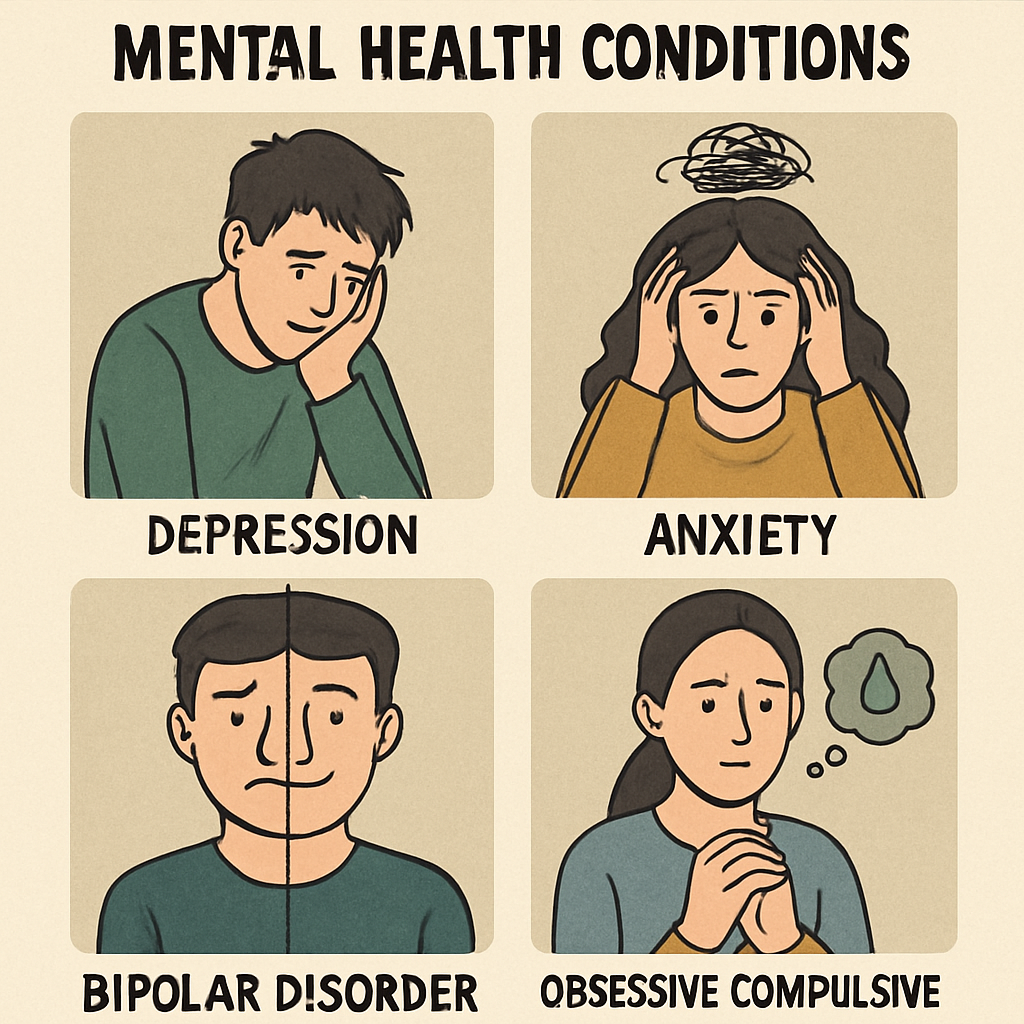
Mental health conditions encompass a broad spectrum of disorders that affect mood, cognition, and behavior. These conditions range from common disorders like depression and anxiety to more severe conditions such as schizophrenia and bipolar disorder. The impact of these disorders is profound, affecting individuals’ ability to function daily and significantly diminishing their quality of life.
Common Mental Health Conditions
Depression
Depression is a pervasive mood disorder characterized by persistent feelings of sadness and a lack of interest or pleasure in activities. It can manifest in various ways, including emotional symptoms such as feelings of hopelessness and physical symptoms like fatigue or changes in appetite. Depression is often misunderstood and can be mistaken for a temporary emotional response, but its effects can be long-lasting and debilitating if not addressed appropriately.
Anxiety Disorders
Anxiety disorders encompass a range of conditions, including generalized anxiety disorder, panic disorder, social anxiety disorder, and specific phobias. These disorders are characterized by excessive fear or worry that can interfere with daily activities. Individuals with anxiety disorders often experience physical symptoms such as a racing heart, sweating, or dizziness, which can compound the distress they feel and make it challenging to engage in regular activities.
Schizophrenia
Schizophrenia is a severe mental disorder that profoundly affects how a person thinks, feels, and behaves. It is characterized by symptoms such as hallucinations, delusions, and disorganized thinking. People with schizophrenia may appear to have lost touch with reality, which can lead to difficulties in maintaining relationships and employment. The stigma surrounding schizophrenia often exacerbates these challenges, making it harder for individuals to seek and receive help.
Bipolar Disorder
Bipolar disorder is marked by extreme mood swings that include emotional highs, known as mania or hypomania, and lows, referred to as depression. These mood changes can occur rapidly or over extended periods and can severely impact an individual’s ability to function. During manic phases, individuals may exhibit hyperactivity and impulsive behavior, while depressive phases can lead to feelings of hopelessness and lethargy.
The Importance of Mental Health Awareness
Raising awareness about mental health is crucial for fostering a more supportive and understanding society. Awareness plays a vital role in reducing the stigma and discrimination often associated with mental health conditions. This stigma can prevent individuals from seeking help, leading to untreated conditions and worsening outcomes. By promoting understanding and empathy, we can create an environment where individuals feel safe to seek the assistance they need.
Reducing Stigma and Discrimination
Creating Safe Spaces
Establishing safe spaces where individuals can discuss mental health openly without fear of judgment is essential. This can be achieved through community centers, workplace initiatives, and online platforms where people can share their experiences and receive support. Safe spaces enable honest conversations about mental health, fostering a culture of acceptance and understanding.
Sharing Personal Stories
Sharing personal stories about mental health struggles can be a powerful tool for reducing stigma. When individuals speak openly about their experiences, it humanizes mental health conditions and makes them more relatable to others. Personal stories can inspire those who are struggling to seek help and can educate the public about the realities of living with mental health conditions.
Public Education Campaigns
Public education campaigns play a crucial role in raising mental health awareness. These campaigns can disseminate information about mental health conditions, their symptoms, and the importance of seeking help. By utilizing various media platforms, including television, radio, and social media, these campaigns can reach a wide audience and foster a more informed society.
Early Detection and Intervention
Recognizing Signs and Symptoms
Educating the public about the signs and symptoms of mental health conditions is a critical step in early detection. By understanding what to look for, individuals can identify when they or their loved ones may need help. Common signs include changes in mood, behavior, or personality, as well as physical symptoms like fatigue or changes in appetite.
Encouraging Professional Help
Once signs and symptoms are recognized, it is essential to encourage individuals to seek professional help. Early intervention can significantly improve outcomes for those with mental health conditions. Mental health professionals, such as therapists and psychiatrists, can provide the necessary support and treatment to help individuals manage their conditions effectively.
Support from Family and Friends
Family and friends play a vital role in supporting individuals with mental health conditions. By creating a supportive environment and encouraging open communication, loved ones can help those struggling feel less isolated. Offering assistance in seeking professional help or attending therapy sessions can also be beneficial.
Community Involvement and Education
Community Programs
Local organizations can spearhead community programs that focus on mental health education and support. Workshops, seminars, and support groups can provide valuable information and resources to individuals and families. Community programs can also serve as a platform for individuals to connect with others facing similar challenges.
Social Media Campaigns
Social media platforms offer a powerful avenue for spreading mental health awareness. By sharing information, personal stories, and resources, social media campaigns can reach a global audience. These campaigns can help normalize discussions about mental health and encourage individuals to seek help.
School Education
Integrating mental health education into school curriculums can equip young people with the tools to understand and manage their mental health from an early age. Schools can provide information about mental health conditions, coping strategies, and resources for help. Educating students about mental health can foster resilience and reduce stigma among future generations.
Stress Management Techniques
Stress is a prevalent trigger for many mental health conditions and learning how to manage it effectively is crucial for maintaining mental well-being. Implementing practical stress management techniques can significantly improve an individual’s ability to cope with life’s challenges.
Mindfulness and Meditation
The Benefits of Mindfulness
Practicing mindfulness involves being present and fully engaged in the current moment without judgment. Mindfulness can help individuals reduce stress by promoting relaxation and improving focus. It encourages individuals to acknowledge their thoughts and feelings without becoming overwhelmed by them, leading to greater emotional regulation.
Meditation Practices
Meditation is a powerful tool for reducing stress and enhancing mental clarity. Regular meditation practice can lead to improved concentration, reduced anxiety, and a greater sense of calm. Techniques such as deep breathing, guided imagery, and progressive muscle relaxation can be incorporated into daily routines to promote overall well-being.
Incorporating Mindfulness into Daily Life
Incorporating mindfulness into daily life can be achieved through simple practices such as mindful eating, walking, or even engaging in mindful conversations. These practices encourage individuals to slow down and fully experience their surroundings, reducing stress and enhancing the quality of life.
Physical Activity
The Impact of Exercise on Mental Health
Regular physical activity is a powerful stress reliever and has numerous benefits for mental health. Exercise releases endorphins, which are natural mood lifters, and can help reduce symptoms of anxiety and depression. Engaging in activities like walking, jogging, or yoga can provide both physical and mental benefits.
Choosing the Right Activity
Choosing an activity that is enjoyable and sustainable is key to incorporating exercise into a daily routine. Whether it’s dancing, hiking, or swimming, finding an activity that brings joy can increase motivation and adherence. Consistency is crucial for reaping the mental health benefits of physical activity.
Creating a Routine
Establishing a regular exercise routine can help individuals manage stress more effectively. Setting aside specific times for physical activity each day can create a sense of structure and control, reducing feelings of overwhelm. Additionally, incorporating variety into an exercise routine can prevent boredom and increase enjoyment.
Healthy Lifestyle Choices
The Role of Nutrition
Maintaining a balanced diet is essential for overall mental health. A diet rich in fruits, vegetables, whole grains, and lean proteins provides the necessary nutrients for optimal brain function. Avoiding excessive caffeine and alcohol can also help individuals manage stress more effectively.
The Importance of Sleep
Adequate sleep is crucial for mental well-being, as it allows the brain to rest and recharge. Poor sleep can exacerbate stress and anxiety, making it more difficult to cope with daily challenges. Establishing a regular sleep schedule and creating a calming bedtime routine can promote better sleep quality.
Limiting Negative Influences
Limiting exposure to negative influences, such as excessive screen time or unhealthy relationships, can improve mental health. Engaging in activities that promote relaxation and joy, such as reading, gardening, or spending time with loved ones, can enhance well-being and reduce stress.
Time Management
Prioritizing Tasks
Effective time management involves prioritizing tasks to prevent feeling overwhelmed. Creating a to-do list and identifying the most important tasks can help individuals focus their efforts and achieve their goals. Breaking tasks into smaller, manageable steps can also make them less daunting.
Setting Realistic Goals
Setting realistic goals is essential for reducing stress and maintaining motivation. Goals should be specific, measurable, achievable, relevant, and time-bound (SMART). By setting realistic expectations, individuals can avoid the frustration and disappointment that often accompany unattainable goals.
Creating a Balanced Schedule
Creating a balanced schedule that includes time for work, leisure, and self-care can prevent burnout and promote mental well-being. Scheduling regular breaks and downtime can enhance productivity and reduce stress. It’s important to recognize the value of rest and relaxation in maintaining overall health.

Challenges in Accessing Mental Health Services
Despite the critical need for mental health services, many individuals face significant barriers in accessing care. These challenges include limited availability of services, financial constraints, stigma, and a lack of awareness about mental health conditions and resources.
Limited Availability
Geographic Disparities
In many regions, especially in low-income and rural areas, mental health services are scarce. Geographic disparities in the availability of services can prevent individuals from receiving the care they need. Efforts to increase the distribution of mental health resources across regions are essential to address these disparities.
Shortage of Mental Health Professionals
The shortage of mental health professionals is a significant barrier to accessing care. There is a growing demand for trained therapists, psychologists, and psychiatrists to meet the needs of individuals with mental health conditions. Increasing the number of professionals through education and training programs is crucial for expanding access to care.
Long Wait Times
Long wait times for mental health services can deter individuals from seeking help. Delays in receiving care can exacerbate mental health conditions and lead to poorer outcomes. Streamlining referral processes and increasing the availability of services can help reduce wait times and improve access to care.
Cost
Financial Barriers to Care
The cost of mental health care can be prohibitive for many individuals, especially those without insurance coverage. High out-of-pocket expenses can prevent individuals from accessing necessary services. Expanding insurance coverage and providing financial assistance programs can help alleviate these barriers.
Insurance Limitations
Even for those with insurance, limitations on mental health coverage can pose challenges. Insurance plans may restrict the number of therapy sessions covered or require high copayments, making it difficult for individuals to receive ongoing care. Advocacy for comprehensive mental health coverage is needed to ensure individuals have access to necessary services.
Cost-Effective Alternatives
Exploring cost-effective alternatives, such as teletherapy or community-based services, can increase access to mental health care. These options can provide affordable and convenient solutions for individuals seeking help. Increasing awareness of these alternatives can empower individuals to seek the care they need.
Stigma
Overcoming Social Stigma
Social stigma surrounding mental health can deter individuals from seeking help. Fear of judgment or discrimination can prevent individuals from acknowledging their struggles and accessing necessary care. Public awareness campaigns and education efforts are essential to reduce stigma and encourage help-seeking behavior.
Encouraging Open Dialogue
Encouraging open dialogue about mental health can help normalize discussions and reduce stigma. Creating environments where individuals feel safe to share their experiences without fear of judgment can foster a culture of acceptance and understanding. Open dialogue can also facilitate early intervention and support for those in need.
Supporting Peer Networks
Peer support networks can provide valuable assistance to individuals with mental health conditions. Connecting with others who have experienced similar challenges can reduce feelings of isolation and provide a sense of community. Peer support can also offer practical advice and encouragement for seeking professional help.
Lack of Awareness
Recognizing Symptoms
A lack of awareness about mental health conditions can prevent individuals from recognizing symptoms and seeking help. Public education initiatives can increase awareness of common signs and symptoms, empowering individuals to take action. Providing information about available resources can also facilitate access to care.
Promoting Mental Health Literacy
Promoting mental health literacy involves educating the public about mental health and wellness. Understanding the importance of mental health, recognizing risk factors, and knowing how to access resources are essential components of mental health literacy. Increasing literacy can empower individuals to take charge of their mental well-being.
Encouraging Help-Seeking Behavior
Encouraging help-seeking behavior involves creating a culture where seeking mental health care is normalized and supported. Highlighting the benefits of early intervention and providing information about available services can motivate individuals to seek help. Creating supportive environments in schools, workplaces, and communities can facilitate access to care.
The Need for Urgent Scale-Up
Given the significant number of individuals affected by mental health conditions, scaling up mental health services is imperative. This involves increasing funding, training professionals, improving access, and integrating services to ensure that everyone receives the care they need.
Increasing Funding
Investment in Mental Health Services
Increasing funding for mental health services is essential to expand resources and improve access to care. Investment in mental health infrastructure, research, and treatment programs can enhance the quality and availability of services. Advocacy for government and private sector support is crucial to secure necessary funding.
Supporting Research and Innovation
Supporting research and innovation in mental health can lead to new treatments and interventions. Investment in research can improve understanding of mental health conditions and inform the development of effective therapies. Encouraging collaboration between researchers, clinicians, and policymakers can drive innovation in mental health care.
Expanding Community Resources
Expanding community resources, such as mental health clinics and support groups, can increase access to care at the local level. Community-based services can provide affordable and accessible options for individuals seeking help. Funding for these resources can enhance their capacity to serve individuals in need.
Training Professionals
Education and Training Programs
Expanding education and training programs for mental health professionals is crucial to meet growing demand. Programs that focus on developing skills in assessment, diagnosis, and treatment can equip professionals to provide high-quality care. Increasing the number of training opportunities can also attract more individuals to the mental health field.
Continuing Professional Development
Continuing professional development is essential for mental health professionals to stay informed about the latest research and treatment approaches. Ongoing education and training can enhance professionals’ ability to provide effective care and adapt to emerging challenges. Supporting access to professional development opportunities is vital for maintaining a skilled workforce.
Addressing Workforce Shortages
Addressing workforce shortages involves creating incentives for individuals to enter the mental health field. Scholarships, loan forgiveness programs, and competitive salaries can attract more individuals to pursue careers in mental health. Increasing the number of trained professionals can enhance access to care and reduce wait times for services.
Improving Access
Expanding Telehealth Services
Expanding telehealth services can improve access to mental health care, especially in underserved areas. Telehealth can provide convenient and cost-effective options for individuals seeking help. Increasing awareness of telehealth services and reducing barriers to access can enhance their utilization.
Increasing Service Availability
Increasing the availability of mental health services in underserved areas is essential for improving access to care. Establishing mental health clinics in rural and low-income areas can reduce geographic disparities in service availability. Collaboration between government, non-profit organizations, and private sector stakeholders is needed to expand services.
Enhancing Service Integration
Enhancing the integration of mental health services into primary health care can ensure that more individuals receive the support they need. Integrated services can provide a holistic approach to health care, addressing both physical and mental health needs. Efforts to promote collaboration between primary care providers and mental health professionals can improve care coordination.
Integrating Services
Collaborative Care Models
Collaborative care models involve the integration of mental health services into primary care settings, enabling comprehensive treatment of individuals. These models foster communication and coordination between primary care providers and mental health professionals, improving patient outcomes. Implementing collaborative care models can enhance access to mental health services and reduce stigma associated with seeking help.
Cross-Sector Partnerships
Cross-sector partnerships between health care providers, community organizations, and government agencies can facilitate the integration of mental health services. These partnerships can leverage resources and expertise to address barriers to care and improve service delivery. Collaboration between sectors can also enhance the development of innovative approaches to mental health care.
Culturally Competent Care
Providing culturally competent care involves understanding and addressing the unique needs and experiences of diverse populations. Culturally competent care can improve access and engagement with mental health services for individuals from different cultural backgrounds. Training professionals in cultural competence and developing services that reflect the diversity of communities can enhance the effectiveness of mental health care.
Conclusion
Mental health is an essential component of overall health and requires the same level of attention and resources as physical health. By raising awareness, managing stress, and addressing barriers to care, we can support the mental well-being of individuals worldwide. The WHO’s call for an urgent scale-up of mental health services is a pivotal step toward ensuring that everyone has access to the care they need. As a global community, we must prioritize mental health and work together to create a world where mental health conditions are understood, accepted, and treated with the urgency they deserve. Investing in mental health today will pave the way for a healthier, more resilient future for individuals and communities worldwide.
