
Understanding how alcohol interacts with diabetes is crucial for managing your health effectively. For those living with diabetes, whether it’s Type 1 or Type 2, drinking alcohol requires thoughtful consideration. This guide will walk you through the key points of alcohol and diabetes, helping you make informed choices about drinking.

Alcohol can have a variety of effects on your body, and when you add diabetes into the mix, things can get a bit more complicated. Here’s what you need to know:
Blood Sugar Levels
Alcohol has a significant impact on blood sugar levels. It can cause blood sugar to drop shortly after drinking and for up to 24 hours afterward. This is because alcohol can interfere with the liver’s ability to release glucose into the bloodstream. For those on insulin or other diabetes medications, the risk of hypoglycemia, or low blood sugar, is heightened. Understanding how alcohol affects your blood sugar can help you better plan your drinking habits.
Moreover, the type of alcohol consumed can influence blood sugar reactions. Beverages high in sugar, like certain cocktails, can cause an initial spike in blood sugar followed by a drop. It’s crucial to monitor your blood sugar levels closely when drinking and to have a plan in place to address any unexpected changes.
Medication Interactions
For those taking medication to manage diabetes, alcohol can interfere with these drugs, reducing their effectiveness or causing adverse effects. It’s crucial to understand how your specific medication interacts with alcohol. For instance, some medications may increase the risk of hypoglycemia when combined with alcohol. Discussing these interactions with your healthcare provider can help you avoid potential complications.
Alcohol can also impact medications that are not directly related to blood sugar control. For example, it may increase the side effects of other medications, such as those used to treat high blood pressure or cholesterol. Being aware of these interactions is essential for safe alcohol consumption.
Caloric Intake
Alcoholic drinks can be high in calories, and for those managing diabetes, watching caloric intake is important. Excess calories can lead to weight gain, which can complicate diabetes management. Many alcoholic beverages also contain carbohydrates, which can affect blood sugar levels. It’s essential to account for these calories and carbs in your daily meal planning.
Choosing lower-calorie and lower-carb alcohol options can help manage your overall caloric intake. For example, opting for light beer or dry wine instead of sugary cocktails can make a difference. Additionally, being mindful of portion sizes can help you enjoy a drink without overindulging.
Guidelines for Drinking with Diabetes

While alcohol is not off-limits, moderation and careful management are key. Here are some guidelines to consider:
Drink in Moderation
Moderation is essential. The general guideline for moderate alcohol consumption is up to one drink per day for women and up to two drinks per day for men. However, these numbers can vary based on individual health conditions. It’s important to consider your personal tolerance and how alcohol affects your diabetes management.
Listening to your body’s signals and recognizing when you’ve had enough can help prevent overconsumption. If you’re unsure about what moderation looks like for you, consulting with a healthcare professional can provide clarity. Remember, moderation is about finding a balance that works for your health and lifestyle.
Choose Drinks Wisely
Opt for drinks that are lower in sugar and carbohydrates. Light beer, dry wines, and spirits mixed with sugar-free mixers are better choices. These options can help minimize the impact on your blood sugar levels and overall caloric intake. It’s also beneficial to become familiar with the nutritional information of your favorite drinks.
Exploring different types of drinks and mixers can also be a fun way to find new favorites that fit your dietary needs. Consider trying new recipes or even creating your own low-sugar cocktails at home. Being mindful of your drink choices can make a significant difference in managing your diabetes.
Monitor Blood Sugar Levels
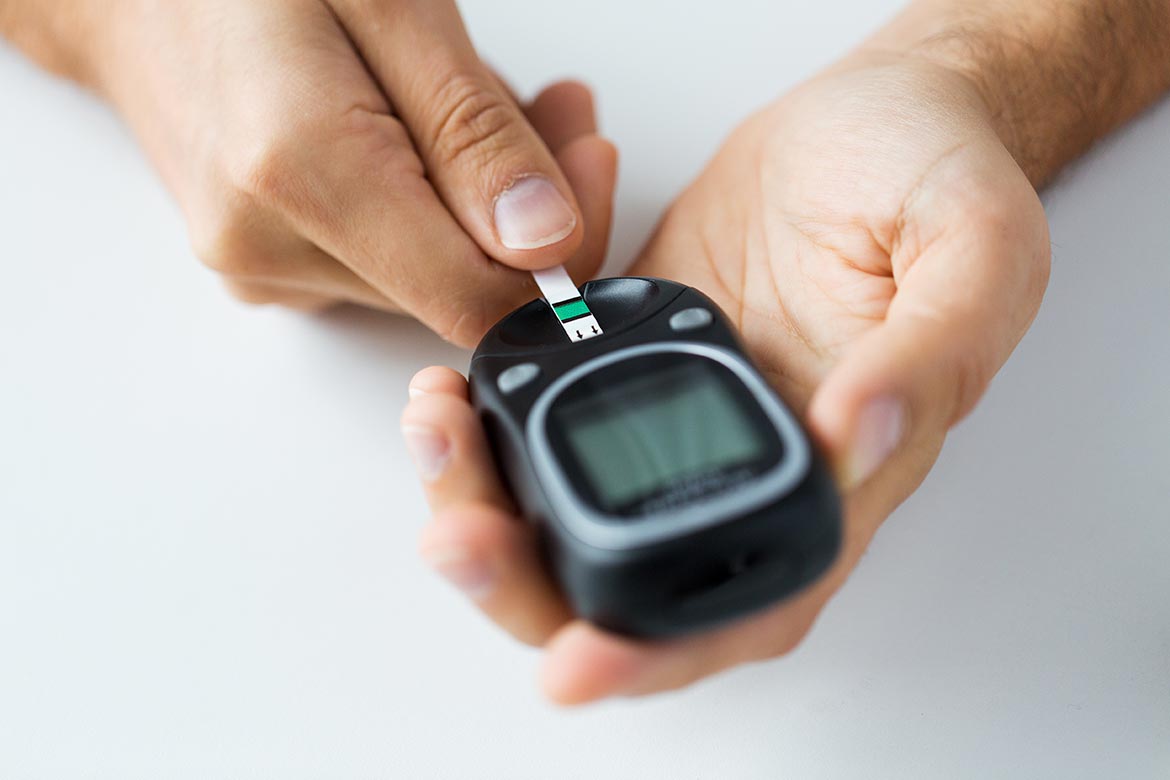
Check your blood sugar before and after drinking. This will help you understand how alcohol affects your levels and allow you to manage any unexpected changes. Regular monitoring can also help you identify patterns in how different types of alcohol impact your blood sugar.
Keeping a log of your blood sugar readings in relation to your alcohol consumption can be a valuable tool. This information can help you adjust your drinking habits and make more informed decisions. Remember, the goal is to maintain stable blood sugar levels while enjoying a social drink.
Eat Before You Drink
Never drink on an empty stomach. Eating a meal or snack with carbohydrates can help keep your blood sugar levels stable. Carbohydrates provide a steady source of energy, which can counteract the blood sugar-lowering effects of alcohol.
Planning your meals and snacks around your drinking schedule can help ensure you’re adequately prepared. Consider foods that are balanced in carbs, protein, and fats for the best results. By eating strategically, you can enjoy your drink while minimizing risks to your blood sugar levels.
Special Considerations for Type 2 Diabetes

For those with Type 2 diabetes, additional considerations come into play:
Weight Management
As weight management is often a part of managing Type 2 diabetes, it’s important to remember that alcohol can contribute to weight gain. Be mindful of how much you drink and choose lower-calorie options when possible. Monitoring your overall caloric intake can help you maintain a healthy weight.
Consider incorporating regular physical activity into your routine to help balance the calories consumed from alcohol. Exercise can also positively impact your blood sugar control, making it an essential part of diabetes management. Finding the right balance between diet, alcohol consumption, and exercise is key.
Medication Awareness
Many people with Type 2 diabetes take medications like Metformin to help control blood sugar levels. It’s important to discuss with your healthcare provider how alcohol might interact with your specific medication. Understanding these interactions can help prevent adverse effects and ensure your medications work effectively.
Your healthcare provider can offer personalized advice on alcohol consumption based on your medications and overall health. Regular check-ins with your healthcare team can help you stay informed about any changes in medication interactions. Being proactive about your health can lead to better diabetes management.
Heart Health
Alcohol can have both positive and negative effects on heart health. While moderate drinking has been associated with certain heart benefits, excessive drinking can increase the risk of heart disease, which is a concern for those with diabetes. Understanding the balance between these effects is crucial.
Discuss your heart health with your healthcare provider to determine how alcohol fits into your overall health plan. They can help you weigh the potential benefits and risks based on your individual circumstances. Prioritizing heart health is a vital component of managing Type 2 diabetes.
Potential Risks of Drinking with Diabetes
While moderate drinking can be part of a healthy lifestyle, it’s important to be aware of the risks:
Hypoglycemia
One of the biggest risks is hypoglycemia, or low blood sugar. Alcohol can cause blood sugar levels to drop, especially if you’re taking insulin or sulfonylureas. Symptoms of hypoglycemia can include shakiness, confusion, and even unconsciousness if severe. Recognizing these symptoms early can help prevent serious complications.
Having a plan to address hypoglycemia, such as keeping fast-acting glucose tablets or a snack nearby, is essential. If you experience symptoms, taking action quickly can prevent the situation from worsening. Educating those around you about hypoglycemia can also be beneficial in case you need assistance.
Diabetic Ketoacidosis
In rare cases, excessive alcohol consumption can lead to diabetic ketoacidosis, a serious condition that occurs when the body starts breaking down fats too quickly. This condition requires immediate medical attention and can be life-threatening if not treated promptly.
Understanding the signs and symptoms of diabetic ketoacidosis, such as nausea, vomiting, and abdominal pain, can help you seek help quickly. Prevention is key, so it’s important to limit alcohol intake and monitor your health closely. Knowing your body’s signals can help you avoid this severe complication.
Liver Damage
Chronic alcohol consumption can lead to liver damage, which is particularly concerning for those with diabetes, as the liver plays a crucial role in managing blood sugar levels. Protecting your liver health is an important aspect of diabetes management.
Regular liver function tests, as part of your healthcare routine, can help monitor your liver health. Discussing your alcohol consumption with your healthcare provider can help you make informed decisions about drinking. Taking steps to protect your liver can contribute to better overall health.
Tips for Safe Drinking with Diabetes

Here are some practical tips to enjoy alcohol safely if you have diabetes:
- Stay Hydrated: Drink water between alcoholic beverages to stay hydrated and help pace your drinking. Hydration can also aid in preventing hangovers and maintaining overall health.
- Wear Medical ID: Consider wearing a medical ID that notes your diabetes. This can be crucial in emergencies. Having this information readily available can assist medical personnel in providing appropriate care.
- Plan Ahead: If you’re going out, plan how much you’ll drink and what you’ll eat. Having a plan can help prevent unexpected blood sugar drops. Planning can also reduce stress and help you enjoy social occasions more fully.
When to Avoid Alcohol
There are times when it’s best to avoid alcohol altogether:
- If You’re Pregnant: Alcohol can be harmful to unborn babies, and if you have diabetes, it’s best to avoid it during pregnancy. Protecting your health and your baby’s development is the priority.
- If You Have Complications: If you have diabetes-related complications, such as nerve damage or liver disease, it may be best to avoid alcohol. Discuss your condition with your healthcare provider to make informed choices.
- If You’re Struggling with Control: If you’re having difficulty keeping your blood sugar levels in check, alcohol may worsen the problem. Focusing on stabilizing your blood sugar should take precedence over consuming alcohol.
Conclusion
Understanding the relationship between alcohol and diabetes is key to managing your condition while still enjoying life. By following these guidelines and consulting with your healthcare provider, you can make informed choices about alcohol consumption that support your overall health and diabetes management goals.
Remember, moderation is key, and being proactive about your health will help you enjoy social occasions without compromising your diabetes management. With this knowledge in hand, you can approach drinking with confidence and care, ensuring you maintain a balance that promotes both well-being and enjoyment.
